


The Link Between Heart Health and Quality Sleep
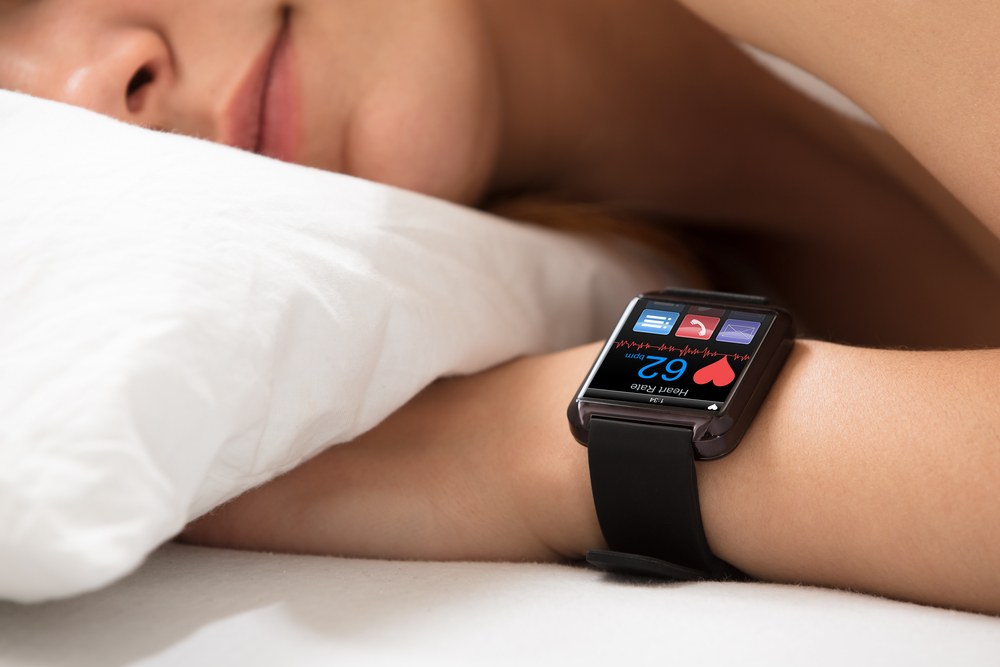
The intricate relationship between heart health and quality sleep has gained increasing attention in both cardiology and sleep medicine. For many, sleep is merely a time to rest the body and mind, but for healthcare professionals, it is recognized as a vital physiological process that supports cardiovascular function. Numerous studies have shown that inadequate or poor-quality sleep can significantly impact heart health, contributing to conditions such as high blood pressure, arrhythmias, heart failure, and coronary artery disease.
At a specialized sleep clinic in Arlington, TX, patients frequently present with complaints that range from fatigue and insomnia to more serious conditions like obstructive sleep apnea. What these symptoms often have in common is their underlying impact on cardiovascular health. During deep sleep stages, the body experiences a natural drop in blood pressure and heart rate, allowing the heart to recover and repair. When sleep is fragmented or shallow, this restorative process is disrupted, potentially leading to long-term cardiovascular issues.
Sleep deprivation not only stresses the heart through increased sympathetic nervous system activity but also raises cortisol levels, a hormone associated with stress and inflammation. Over time, this can contribute to atherosclerosis, the narrowing and hardening of arteries due to plaque buildup. That’s why heart and sleep professionals emphasize the need for comprehensive care that addresses both cardiac and sleep-related concerns.
The Sleep Apnea and Heart Disease Connection
Among the most well-documented links between sleep and cardiovascular problems is the sleep apnea and heart disease connection. Obstructive sleep apnea (OSA) is a condition where a person’s airway becomes partially or completely blocked during sleep, often due to relaxed throat muscles or excess tissue in the airway. This blockage leads to repeated breathing interruptions, causing drops in oxygen levels and frequent awakenings.
These physiological events are not benign. Each apnea episode triggers a stress response in the body, raising blood pressure and increasing heart rate. Over time, these repeated episodes place significant strain on the cardiovascular system. People with untreated sleep apnea are at a higher risk of developing conditions such as hypertension, stroke, atrial fibrillation, and heart failure.
A heart and sleep specialist in DFW can diagnose and treat these interconnected conditions by conducting sleep studies and cardiovascular assessments. Recognizing the signs of sleep apnea—such as loud snoring, gasping for air at night, and daytime fatigue—is the first step toward mitigating its harmful effects on the heart. Because sleep apnea often coexists with other metabolic disorders like obesity and diabetes, a multidisciplinary approach is essential for effective treatment.
Collaborative Care from Cardiologists and Sleep Specialists
In the past, sleep and heart issues were often treated in silos. Today, there is a growing recognition of the need for integrated care. A cardiologist in Arlington, TX who understands the importance of sleep can play a crucial role in identifying patients who may be at risk for sleep disorders. Likewise, sleep specialists trained to evaluate cardiovascular symptoms are better equipped to tailor therapies that improve both sleep quality and heart health.
For example, patients with nocturnal hypertension—elevated blood pressure during the night—often go undiagnosed without a sleep study. These patients may not exhibit traditional daytime symptoms but remain at elevated risk for heart attack and stroke. When identified by a team that includes both a cardiologist and a sleep specialist, these issues can be treated more precisely and effectively.
One of the key advantages of collaborative care is that it reduces redundant testing and leads to a more coordinated treatment plan. By working together, heart and sleep experts ensure that therapies aimed at one condition do not negatively affect the other. This holistic perspective improves patient outcomes and fosters better long-term health.
Exploring CPAP Alternatives in Dallas and Fort Worth
Continuous Positive Airway Pressure (CPAP) machines are considered the gold standard for treating obstructive sleep apnea, but many patients find them uncomfortable or difficult to use consistently. Fortunately, for residents seeking CPAP alternatives in Dallas, Fort Worth, a range of new technologies and therapies are becoming increasingly available.
Oral appliance therapy is one such alternative that has gained traction. These custom-fitted devices reposition the jaw to keep the airway open during sleep. They are particularly effective for patients with mild to moderate sleep apnea and can be a less intrusive option than CPAP.
Other innovations include positional therapy, which involves training the body to sleep in positions that reduce airway blockage, and implantable devices that stimulate the muscles controlling the airway. Lifestyle modifications such as weight loss, exercise, and dietary changes can also significantly reduce apnea symptoms and improve heart function.
It’s important to consult with a sleep clinic in Arlington, TX or a heart and sleep specialist in DFW to determine the most suitable treatment. Not every alternative will work for every patient, and proper diagnosis and follow-up care are essential to managing both sleep apnea and its cardiovascular implications.
How Better Sleep Improves Cardiovascular Outcomes
Improving sleep quality has a direct, measurable effect on heart health. People who get 7 to 9 hours of uninterrupted sleep per night experience better regulation of blood pressure, healthier cholesterol levels, and improved insulin sensitivity. These factors all contribute to a lower risk of cardiovascular disease.
Quality sleep also supports weight management and reduces systemic inflammation, two other critical components of heart health. Sleep deprivation, on the other hand, has been associated with poor dietary choices, increased appetite, and reduced physical activity—all of which contribute to heart disease.
For patients with existing heart conditions, optimizing sleep can aid in recovery and prevent further complications. Post-heart attack patients, for example, benefit from sleep therapies that enhance oxygenation and stabilize cardiac rhythms during rest. Addressing insomnia and other sleep disorders in cardiac patients is equally important, as it can improve medication adherence, reduce stress, and foster a more positive outlook on health.
Patients are encouraged to seek out specialized care from providers who understand the dual nature of these conditions. Whether working with a cardiologist in Arlington, TX or a heart and sleep specialist in DFW, the goal is the same: to promote healing and prevent disease progression through better sleep.
Conclusion
The link between sleep and heart health is undeniable and far more profound than once believed. With growing scientific evidence supporting the sleep apnea and heart disease connection, it is critical that patients and providers treat sleep not as a luxury, but as a vital sign of overall well-being. At the forefront of this movement are comprehensive care teams in Arlington, TX, and the greater Dallas-Fort Worth area, where collaboration between sleep clinics and cardiologists is creating better outcomes for patients.
From diagnosing hidden sleep disorders to offering CPAP alternatives in Dallas, Fort Worth, these specialists are changing the landscape of cardiovascular care. They recognize that addressing both the heart and sleep systemically, rather than in isolation, offers the best path to health. If you or someone you love is struggling with fatigue, snoring, or diagnosed heart issues, consulting a sleep clinic in Arlington, TX or a heart and sleep specialist in DFW could be a life-changing decision.
Better sleep isn’t just about feeling rested. It’s about giving your heart the care it needs to keep you healthy for years to come.
Connecting The Dots Between Heart & Sleep
Dr. Atif Sohail is a board-certified cardiologist, of Heart & Sleep Clinics of America has been providing comprehensive and state-of-the-art services, including testing and treatment of cardiovascular disease and disorders, in Arlington and nearby cities for over 11 years. Dr. Sohail founded his own cardiology practice shortly after completing cardiology training abroad, as well as in the United States in 2001. After 5 years of practicing in Oklahoma, he relocated to Arlington, Texas where he remains. His services for the Arlington, Ft. Worth and Dallas communities include: a state-of-the-art outpatient clinic, in-patient management, emergency care, supervision and training of rotating students seeking a career in medicine. Give us a call today to learn more about what we can do for you.