


The Connection Between Sleep Apnea and High Blood Pressure: What Arlington Patients Should Know
Have you ever woken up feeling exhausted even though you spent eight hours in bed? Maybe your spouse has mentioned that you snore loudly or occasionally stop breathing during the night. Or perhaps you’ve been taking medication for high blood pressure but still struggle to keep your readings within the range your doctor recommends. These concerns might seem unrelated, but they can sometimes point to the same underlying issue. For adults in Arlington, TX, understanding the relationship between sleep apnea and cardiovascular health could help explain symptoms that have been affecting their daily lives.
Sleep apnea and high blood pressure are closely connected because repeated interruptions in breathing during sleep can activate the body’s stress response, reduce oxygen levels, and interfere with normal blood pressure regulation. Over time, untreated obstructive sleep apnea may contribute to persistent hypertension and is associated with an increased risk of cardiovascular complications. However, not everyone with high blood pressure has sleep apnea, and proper testing is necessary to determine whether the condition is present.
Here are several important things Arlington residents should understand:
-
Sleep apnea can affect blood pressure: Repeated breathing interruptions may cause temporary blood pressure increases during sleep and contribute to ongoing hypertension.
-
Snoring isn’t the only warning sign: Morning headaches, daytime fatigue, interrupted sleep, and difficulty concentrating can also indicate a sleep-related breathing disorder.
-
Difficult-to-control hypertension deserves attention: Adults whose blood pressure remains elevated despite treatment may benefit from discussing sleep apnea screening with their healthcare provider.
-
Sleep testing provides important answers: Home sleep studies and other diagnostic evaluations can help identify obstructive sleep apnea and determine its severity.
-
Heart and sleep care often work together: Addressing both conditions can support a more comprehensive approach to cardiovascular health.
At Heart & Sleep Clinics of America, we understand that heart health and sleep quality are closely connected. Led by board-certified cardiologist Dr. Atif Sohail, our Arlington clinic provides cardiovascular evaluations, sleep apnea testing, high blood pressure management, and preventative cardiology services. We work with patients throughout Tarrant County and nearby communities to identify concerns, explain their results, and develop personalized care plans based on their individual needs.
Can Sleep Apnea Cause High Blood Pressure?
Sleep apnea can contribute to high blood pressure by repeatedly interrupting normal breathing and activating physiological responses that temporarily increase blood pressure during the night. When these interruptions occur frequently, they may contribute to lasting changes in blood pressure regulation, particularly in people who already have other cardiovascular risk factors.
What Happens When Breathing Stops During Sleep?
Obstructive sleep apnea occurs when the upper airway becomes partially or completely blocked during sleep. These interruptions may last for several seconds or longer and can happen repeatedly throughout the night.
As breathing becomes restricted, oxygen levels may fall and the body responds by briefly increasing alertness and activating its stress response. The individual may not fully wake up or remember these interruptions the following morning.
However, the cardiovascular system still responds to these events.
Why Blood Pressure Rises
During an apnea episode, the body’s sympathetic nervous system can become more active. This response may increase heart rate, constrict blood vessels, and cause temporary blood pressure elevations.
When these episodes happen frequently, the repeated stress can interfere with normal overnight cardiovascular regulation.
According to the American Heart Association’s 2025 high blood pressure guidelines, moderate-to-severe obstructive sleep apnea is associated with an increased risk of hypertension and cardiovascular events.
Why the Connection Matters for Arlington Adults
High blood pressure often develops without obvious symptoms, while sleep apnea can remain undiagnosed for years. Someone may assume their fatigue comes from work, aging, or a busy schedule without realizing that repeated breathing interruptions could be contributing.
For adults commuting between Arlington, Dallas, and Fort Worth or managing demanding work and family responsibilities, persistent tiredness can be easy to dismiss.
However, recurring sleep problems alongside elevated blood pressure deserve a conversation with a healthcare professional.
What Are the Symptoms of Sleep Apnea and High Blood Pressure?
Common symptoms of sleep apnea include loud snoring, breathing pauses during sleep, gasping, morning headaches, and excessive daytime sleepiness. High blood pressure frequently causes no noticeable symptoms, which means the combination may go unrecognized unless blood pressure measurements and sleep concerns are evaluated separately.
Warning Signs You Shouldn’t Ignore
Pay attention to these potential symptoms of sleep apnea:
-
Loud or persistent snoring reported by a partner or family member.
-
Pauses in breathing or gasping sounds during sleep.
-
Waking up repeatedly without an obvious explanation.
-
Morning headaches or a dry mouth upon waking.
-
Feeling unusually tired despite spending enough time in bed.
-
Difficulty concentrating, remembering information, or staying alert.
-
Irritability or changes in mood associated with poor sleep.
-
Frequent nighttime urination that interrupts sleep.
These symptoms don’t automatically establish a sleep apnea diagnosis. Other medical conditions and sleep disorders can create similar problems, making professional evaluation important.
Can You Have Sleep Apnea Without Snoring?
Yes, sleep apnea can occur even when loud snoring isn’t a prominent symptom. Some people primarily experience insomnia-like complaints, disrupted sleep, morning fatigue, or other less recognizable signs.
Women and older adults may also describe their symptoms differently, which can contribute to the condition being overlooked.
If you’re experiencing unexplained daytime fatigue or repeated sleep disruptions, it’s worth discussing those concerns with your healthcare provider rather than ruling out sleep apnea simply because you don’t snore.
What If Your Blood Pressure Is Already High?
If you’ve been diagnosed with hypertension, pay attention to whether your readings remain elevated despite following your treatment plan.
Sleep apnea isn’t the only possible explanation for difficult-to-control blood pressure. Medication factors, kidney conditions, dietary sodium, and other health concerns may also play a role.
However, screening for sleep apnea can be appropriate when your medical history or symptoms suggest a possible connection.
How Does Untreated Sleep Apnea Affect Your Heart?
Untreated sleep apnea may place repeated stress on the cardiovascular system through intermittent oxygen reductions, disrupted sleep, and changes in nervous system activity. Obstructive sleep apnea is associated with several cardiovascular conditions, although an association doesn’t mean every person with the disorder will develop heart disease.
The Connection Between Sleep Apnea and Heart Disease
Sleep apnea and cardiovascular health influence one another through several physiological processes.
Repeated breathing interruptions can contribute to blood pressure changes, inflammation, and other cardiovascular responses. These mechanisms are among the reasons clinicians consider sleep apnea when evaluating certain heart-related concerns.
The American Heart Association identifies obstructive sleep apnea as common among people with cardiovascular disease, making appropriate screening important for selected patients.
Heart Rhythm and Other Cardiovascular Concerns
Obstructive sleep apnea is associated with conditions such as atrial fibrillation, heart failure, coronary artery disease, and stroke.
However, these relationships are complex, and factors such as age, weight, diabetes, smoking, and existing medical conditions may also contribute to cardiovascular risk.
Treating sleep apnea is important for managing the sleep disorder, but patients shouldn’t assume that treatment alone eliminates the risk of heart attack, stroke, or other cardiovascular events.
Why Early Detection Is Valuable
Early evaluation can help identify sleep apnea and other conditions before symptoms become more disruptive.
For patients in Arlington, Grand Prairie, Mansfield, and surrounding communities, recognizing the possibility of a sleep-related breathing disorder may lead to more informed conversations about cardiovascular care.
Our approach emphasizes preventative cardiology and appropriate diagnostic testing, helping patients understand their individual risk factors rather than relying on symptoms alone.
Why Is Sleep Apnea Important When Blood Pressure Is Difficult to Control?
Sleep apnea is particularly relevant when blood pressure remains elevated despite appropriate treatment because it can be one of several contributing conditions. Clinicians may consider evaluating obstructive sleep apnea in patients with resistant hypertension, especially when snoring, daytime sleepiness, or other suggestive symptoms are present.
Understanding Resistant Hypertension
Resistant hypertension generally refers to blood pressure that remains above the treatment goal despite an appropriate combination of medications, typically including a diuretic, or blood pressure controlled only with four or more medications.
Before making that diagnosis, clinicians evaluate factors such as measurement accuracy, medication use, and other possible causes.
Sleep apnea may be one condition considered during this assessment.
Why Treating Sleep Apnea May Help
For patients with obstructive sleep apnea, positive airway pressure treatment can reduce nighttime breathing interruptions.
Research indicates that continuous positive airway pressure, commonly called CPAP, can produce modest reductions in blood pressure in some patients, including certain people with resistant hypertension.
However, the amount of improvement varies, and sleep apnea treatment doesn’t replace prescribed blood pressure medications.
A Common Arlington Patient Scenario
Imagine an Arlington resident in their 50s who takes several medications for high blood pressure but still experiences elevated readings. Their partner also reports loud snoring and occasional gasping during the night.
In this hypothetical situation, their cardiologist may recommend discussing sleep apnea testing as part of a broader evaluation.
If testing confirms obstructive sleep apnea, the care plan can address that condition alongside existing hypertension treatment.
How Is Sleep Apnea Diagnosed?
Sleep apnea is diagnosed through a clinical assessment and appropriate sleep testing that evaluates breathing patterns and related measurements during sleep. Depending on the patient’s symptoms, medical history, and other health conditions, testing may take place at home or in a sleep laboratory.
What Happens During Sleep Apnea Testing?
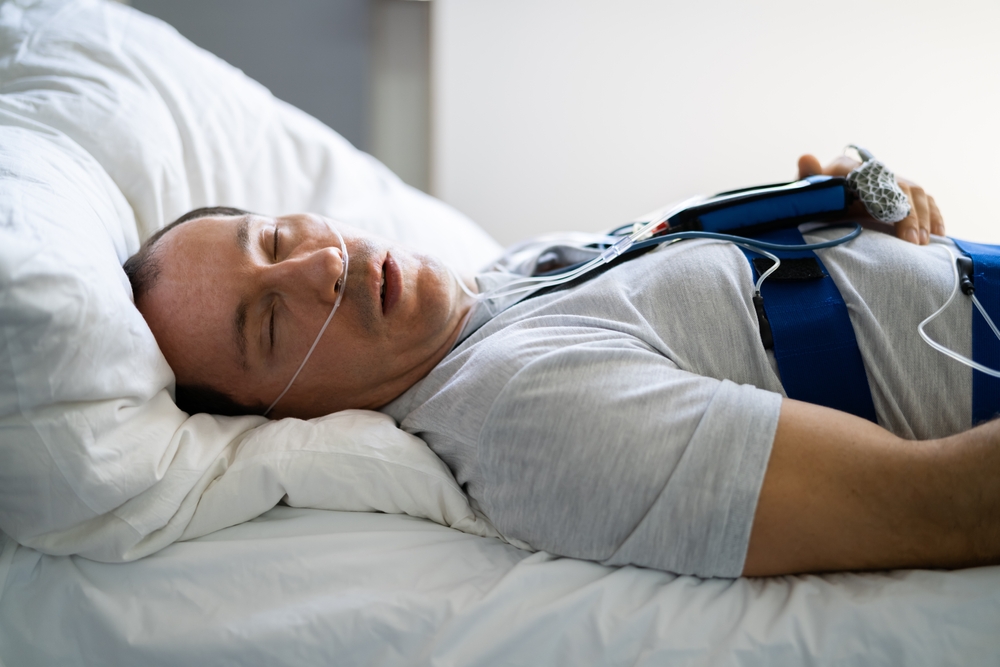
A sleep study collects information that helps clinicians determine whether breathing interruptions occur during sleep and how frequently they happen.
Depending on the type of study, measurements may include breathing effort, airflow, oxygen levels, heart rate, and other physiological signals.
The results help identify the severity of the condition and guide treatment recommendations.
Home Sleep Testing vs. Laboratory Testing
Home sleep apnea tests can be appropriate for certain adults with suspected obstructive sleep apnea.
However, they aren’t suitable for every patient. People with some significant cardiovascular or other medical conditions may need a more comprehensive laboratory study.
A healthcare professional determines the appropriate testing approach based on the individual’s clinical circumstances.
Sleep Testing in Arlington, TX
Our clinic provides sleep apnea testing and evaluates sleep-related concerns that may affect cardiovascular health.
We review symptoms, medical history, and appropriate diagnostic options to help determine whether further evaluation is needed.
For residents of Arlington, Pantego, Dalworthington Gardens, and neighboring areas, our local services provide an opportunity to discuss sleep concerns alongside heart health.
How Can a Cardiologist Evaluate the Effects of Sleep Apnea on Your Heart?
A cardiologist can evaluate possible cardiovascular concerns associated with sleep apnea by reviewing blood pressure history, symptoms, risk factors, and appropriate diagnostic findings. Depending on the patient’s condition, testing may include echocardiography, cardiac stress testing, or vascular studies, although these tests do not diagnose sleep apnea themselves.
Echocardiograms
An echocardiogram uses ultrasound to create images of the heart’s structure and movement.
It can help clinicians evaluate how the heart pumps blood and assess certain structural or functional concerns. A cardiologist may recommend this test when symptoms or clinical findings warrant further investigation.
Cardiac Stress Testing
Cardiac stress testing evaluates heart function under increased demand, using exercise or medication depending on the test and the patient’s circumstances.
It may be recommended when a clinician needs to investigate certain symptoms or concerns about coronary artery disease.
However, not every patient with sleep apnea or high blood pressure needs a stress test.
Vascular Studies
Non-invasive vascular studies evaluate aspects of blood flow and blood vessel health.
These examinations can be useful when symptoms or risk factors suggest a possible vascular condition. Their role is to assess particular cardiovascular concerns rather than identify nighttime breathing interruptions.
Comprehensive Heart and Sleep Care
At Heart & Sleep Clinics of America, our diagnostic capabilities include sleep apnea testing, echocardiograms, exercise and pharmacological stress testing, and non-invasive vascular studies.
Our team uses clinical findings to determine which evaluations are appropriate rather than recommending every test for every patient.
By addressing sleep-related concerns alongside cardiovascular risk factors, we help patients gain a more complete understanding of their health.
Can Sleep Apnea Treatment Help Lower Blood Pressure?
Sleep apnea treatment may help lower blood pressure in some patients by reducing repeated nighttime breathing interruptions and associated physiological stress. However, results vary, and treating obstructive sleep apnea should complement, not replace, appropriate high blood pressure treatment.
CPAP and Other Positive Airway Pressure Therapies
CPAP is a commonly prescribed treatment for obstructive sleep apnea. It delivers air pressure through a mask to help keep the airway open while the patient sleeps.
Other positive airway pressure devices may be recommended depending on the patient’s needs.
Consistent treatment can improve sleep-related symptoms and may support blood pressure management in some individuals.
Other Sleep Apnea Treatment Options
Depending on the diagnosis and severity, treatment may also involve:
-
Oral appliance therapy for suitable patients.
-
Weight management when clinically appropriate.
-
Changes to sleep position for selected individuals.
-
Reducing alcohol consumption, particularly near bedtime.
-
Smoking cessation and other healthy lifestyle measures.
-
Additional specialty treatment when recommended.
The appropriate plan depends on the type of sleep apnea, medical history, personal preferences, and response to treatment.
Continue Your Blood Pressure Treatment
Even when sleep apnea treatment is effective, hypertension may still require medications and ongoing monitoring.
Never discontinue or adjust prescribed blood pressure medication without guidance from the clinician managing your care.
Our team works with patients to evaluate both sleep disorders and cardiovascular concerns, developing personalized recommendations based on their medical needs.
What Can Arlington Patients Do to Protect Their Sleep and Heart Health?
Arlington patients can support their sleep and heart health by recognizing symptoms, monitoring blood pressure as directed, following prescribed treatments, and seeking evaluation when sleep problems persist. These steps are especially important for adults with cardiovascular risk factors or difficult-to-control hypertension.
Start With Your Symptoms
If someone has noticed that you stop breathing while sleeping, share that information with your healthcare provider.
Consider keeping track of persistent fatigue, morning headaches, nighttime awakenings, and other concerns that may help guide the evaluation.
You don’t need to determine whether you have sleep apnea on your own before scheduling an appointment.
Monitor Blood Pressure Appropriately
If you’ve been diagnosed with hypertension, follow your clinician’s instructions for checking blood pressure.
Record readings when recommended and bring them to appointments so your care team can evaluate trends.
Avoid making treatment decisions based on one isolated reading without considering the circumstances and medical guidance.
Address Other Cardiovascular Risk Factors
Sleep apnea is only one part of cardiovascular disease prevention.
Regular physical activity, a heart-healthy eating pattern, appropriate weight management, smoking cessation, and taking prescribed medications can support cardiovascular health.
Our preventative cardiology services help patients discuss these concerns alongside their medical history and diagnostic findings.
Know When Symptoms Require Immediate Attention
Sleep apnea testing is generally arranged through a scheduled medical evaluation, but certain cardiovascular symptoms require urgent care.
If you experience chest pain, severe shortness of breath, stroke symptoms, or another potentially life-threatening emergency, call 911.
Likewise, a blood pressure reading above 180/120 mm Hg accompanied by symptoms such as chest pain, breathing difficulty, severe headache, weakness, or vision changes requires emergency evaluation.
Concerned about sleep apnea and high blood pressure? Contact our Arlington clinic to discuss sleep testing, cardiovascular evaluations, and personalized treatment options.
Frequently Asked Questions About Sleep Apnea and High Blood Pressure in Arlington, TX
Can sleep apnea cause high blood pressure?
Yes, obstructive sleep apnea can contribute to high blood pressure through repeated oxygen reductions, sleep disruption, and activation of the body’s stress response. However, hypertension can have multiple causes, so a medical evaluation is necessary to determine whether sleep apnea is contributing to an individual’s condition.
What are the symptoms of sleep apnea in adults?
Common symptoms include loud snoring, breathing pauses during sleep, gasping, morning headaches, poor sleep quality, and excessive daytime fatigue. Some patients experience less obvious symptoms, so persistent sleep concerns deserve professional evaluation even without pronounced snoring.
Can treating sleep apnea lower blood pressure?
Sleep apnea treatment can produce modest blood pressure improvements in some patients, particularly when effective positive airway pressure therapy is used consistently. However, results vary, and treatment doesn’t automatically eliminate hypertension or replace prescribed blood pressure medications.
Should I get tested for sleep apnea if I have high blood pressure?
Testing may be appropriate if you have hypertension along with loud snoring, witnessed breathing interruptions, daytime fatigue, or difficult-to-control blood pressure. A healthcare professional can review your symptoms and medical history to determine whether sleep apnea testing is recommended.
Does Heart & Sleep Clinics of America provide sleep apnea testing in Arlington?
Yes, we offer sleep apnea testing as part of our diagnostic services for patients in Arlington, TX, and surrounding communities. Our team also evaluates cardiovascular concerns that may be associated with sleep disorders and recommends appropriate next steps based on clinical findings.
What is the connection between sleep apnea and heart disease?
Obstructive sleep apnea is associated with increased risks of several cardiovascular conditions, including hypertension, atrial fibrillation, and certain forms of heart disease. These relationships involve multiple factors, and not every person with sleep apnea will develop cardiovascular complications.
Can a cardiologist help with sleep apnea and hypertension?
Yes, a cardiologist can evaluate high blood pressure and cardiovascular risk factors while coordinating appropriate assessment of sleep-related concerns. At our Arlington clinic, we provide cardiovascular testing and sleep apnea services to help patients understand how these conditions may affect their overall health.
What tests are available for cardiovascular evaluation in Arlington, TX?
Our available cardiovascular diagnostic services include echocardiograms, exercise and pharmacological stress testing, and non-invasive vascular studies. The appropriate tests depend on your symptoms, medical history, and clinical findings rather than a standard testing package for every patient.
Is snoring always a sign of sleep apnea?
No, snoring doesn’t always mean a person has sleep apnea, and some individuals with sleep apnea don’t report loud snoring. However, snoring accompanied by breathing pauses, gasping, fatigue, or other symptoms is a reason to discuss possible testing with a healthcare provider.
Better Sleep and Better Heart Health Start With Understanding the Connection
Sleep apnea and high blood pressure can affect your health in ways that aren’t always obvious during everyday life. You might notice persistent fatigue, restless nights, or blood pressure readings that remain higher than expected without immediately realizing these concerns could be connected. Recognizing the possibility is an important first step, especially when sleep-related breathing interruptions continue for months or years without a diagnosis. By discussing your symptoms, reviewing cardiovascular risk factors, and completing appropriate testing, you can gain a clearer understanding of your condition and the treatment options available.
At Heart & Sleep Clinics of America, we’re committed to helping individuals and families throughout Arlington and the surrounding Dallas-Fort Worth area take a proactive approach to cardiovascular and sleep health. Led by board-certified cardiologist Dr. Atif Sohail, our team provides sleep apnea testing, hypertension care, cardiovascular evaluations, and preventative cardiology services tailored to individual needs. We understand that every patient’s health history is different, which is why we focus on thoughtful evaluations, clear explanations, and personalized care. Whether you’re concerned about chronic snoring, unexplained fatigue, or difficult-to-control blood pressure, we’re here to help you explore the appropriate next steps.
Take the Next Step Toward Better Sleep and Heart Health in Arlington, TX
Get answers about sleep-related breathing concerns and cardiovascular risk factors from a team experienced in both heart and sleep disorders. Contact Heart & Sleep Clinics of America to schedule an appointment and discuss sleep apnea testing, high blood pressure treatment, or a cardiovascular evaluation.