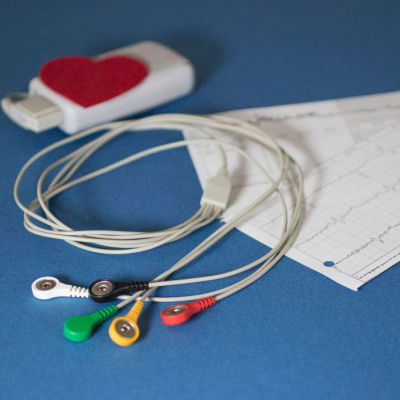
If there is a concern that you have a slow, fast or irregular heartbeat, your cardiologist may recommend wearing a Holter monitor. This portable device is worn continuously for about 24 to 48 hours or longer, depending on the type of monitoring needed. The device is small and attaches to your chest with electrodes to record the electrical activity of your heart throughout the day.
Aside from checking the regularity of your heartbeat, your cardiologist may recommend wearing a Holter monitor to see if your medicines are managing your health problems. The results will help your cardiologist decide whether you need additional testing and medication, or if you require a pacemaker to repair your irregular heart rhythm. And if you have a pacemaker, Holter monitoring can help us determine whether it is working properly.
How Do Holter Monitors Work?
When you get an electrocardiogram (EKG) from your cardiologist, it allows us to see your heart’s activity at that specific moment. Unfortunately for those with abnormal heart rhythms, their symptoms often come and go, and may not be caught by an EKG. That’s why your cardiologist may recommend wearing a Holter monitor while you go about your normal daily activities.
When you come in for your monitor, we will talk to you about how to record your symptoms while you wear it. Then we will attach the electrodes to your chest. Once the electrodes have been placed, we will help you put the monitor on and talk to you about how to care for it.
The monitor can easily fit into a pocket or hang around your shoulder like a purse. While you can go about your normal day-to-day activities wearing the monitor, don’t bathe or shower while wearing it, and stay away from metal detectors and X-rays.
Once the test period is over, you will return the monitor to us and we will create a report based on your results. You’ll come back for your results in a week or two.
Questions about Holter monitors? Coping with an irregular heartbeat? Then it’s time you called our cardiology office today!
Whether you’re getting ready for your first visit or your tenth, it’s always important you know what you should do to prepare for your next trip to the cardiologist. After all, you want to get the most from your appointment, and that means preparing ahead of time.
Here are some things to consider before your next visit to our office:
Your Current Medications
Make a full list of all your current medications, including their name, dosage and frequency. This is important information for your cardiologist, particularly when creating a treatment plan. You should also make a list of any allergies you may have. Don’t just assume you’ll remember it off the top of your head. Having this information written down prior to your appointment will make the process a lot easier.
Your Doctors
It’s never a bad idea to have a list of your healthcare providers available at your visit. It’s important to include your doctor’s names, contact information, and what conditions you are seeing them for. We may need to contact your doctors to discuss your current conditions, medications and treatments. This is done to provide you with a more thorough treatment plan.
Your Medical History
This is one of the most obvious ones, but it’s necessary that we know about any preexisting health problems. This includes any surgeries (and their dates) and any major procedures or tests within the last year. Knowing your health history, we can help make a proper diagnosis and also determine the best course of action for treating your condition.
Family History
Just as your medical history is important, so is your family’s health history. From siblings and parents to uncles and children, we particularly want to know if there is a family history of heart disease, high cholesterol, high blood pressure or diabetes. Knowing the health issues and illnesses of family members can help us monitor your health and prescribe preventive measures.
Any Questions You May Have
Before your appointment, you may realize you have some questions for your cardiologist. It’s a good idea to jot them down so you don’t forget. This appointment is about your health, and we will take time out to address your questions and concerns to make sure that you have a productive and valuable visit.
If you need to schedule your next cardiologist appointment, call our office today!
Hypertension, also known as high blood pressure, is a condition that can lead to serious health problems, such as coronary heart disease, heart failure, stroke, kidney failure, and other health problems.
Most people with high blood pressure are unaware, since the symptoms can stay below notice for years at a time. For this reason, it’s important to visit your doctor regularly for a general medical check-up.
When blood pressure reaches life-threatening levels, the following symptoms may be noticeable:
Headaches
Tiredness
Confusion
Dizziness or lightheadedness
Pounding in the head or chest
Sharp chest pains
Elevated blood pressure may be inherited or related to other factors including:
Being overweight
Smoking
Diet high in saturated fat and/or sodium
Age
Excessive drinking
Diabetes
Physical inactivity
Being male
High-stress levels
You can manage your hypertension and lower your risk of stroke with lifestyle changes and medications prescribed by your cardiologist. So don’t hesitate! Get checked for hypertension today.
A stroke occurs when the blood supply to the brain is suddenly interrupted. When the brain lacks sufficient blood flow for a long enough period of time, brain damage or even death can result. Immediate medical attention and early treatment are critical to helping minimize damage to brain tissue and improve the outcome.
Types of Strokes
There are two major types of strokes: ischemic and hemorrhagic. Ischemic strokes, the most common type, occur when a blood clot blocks the arteries leading to the brain and cuts off blood flow. A hemorrhagic stroke occurs when a blood vessel in part of the brain becomes weak and bursts open, causing blood to leak into the brain.
At the first sign of a stroke, patients should seek medical care immediately. Symptoms of a stroke vary, but typically occur suddenly and include:
Weakness, tingling or numbness in a limb
Partial loss of vision
Inability to move a limb
Double vision, vertigo or loss of balance
Difficulty swallowing
Memory loss
Drowsiness or loss of consciousness
Uncontrollable eye movements
What Causes Strokes?
Smoking is the number one risk factor for strokes, and indeed, making basic lifestyle changes like quitting smoking can significantly reduce your overall risk. These include:
Weight loss
Exercise
Cholesterol and blood pressure management
Reducing alcohol intake
Aside from lifestyle changes, managing any underlying health conditions, including hypertension and diabetes, also reduce your risk of stroke. If you are concerned about your stroke risk, talk to your cardiologist about what more you could be doing to keep your risk low.
If you are looking for a doctor that uniquely specializes in diseases and conditions of the heart and blood vessels, you want to see a cardiologist. A cardiologist goes through four years of medical school and then three years of training in general medicine before spending three years or more in specialized training to handle heart and vessel related health issues.
When Should You See a Cardiologist?
If you have seen your general practitioner and they believe that you have symptoms that are indicative of a heart problem, they may refer you to a cardiologist.
Symptoms of heart problems include:
Chest pain
Dizziness
Fainting spells
Heart murmur
Irregular heartbeat
Shortness of breath
What Does a Cardiologist Do?
Cardiologists diagnose heart disease, and help those who have it to manage their condition and live a healthier life to prevent other complications. They also handle heart attacks, irregular heart rhythms and heart failure. A cardiologist is also the doctor that determines whether angioplasty or heart surgery is necessary to correct an issue.
What Happens at an Appointment with a Cardiologist?
Your cardiologist will take your vitals when you visit, including your blood pressure and heart rate, and perform a physical examination. They will also discuss your detailed medical history to pinpoint your risk factors for developing certain conditions.
Some conditions can be diagnosed through a physical exam. Other issues will require additional testing, like an EKG or a blood test. Aside from discussing treatment options like medications or procedures, we may also recommend lifestyle changes. This may include increasing exercise or improving your diet.
If your general practitioner has referred you to a cardiologist, or you feel you may be experiencing heart-related symptoms, call our office today to schedule an appointment. The health of your heart is too important to hesitate over.