


What Is Atherosclerosis? Understanding the Silent Threat to Heart Health
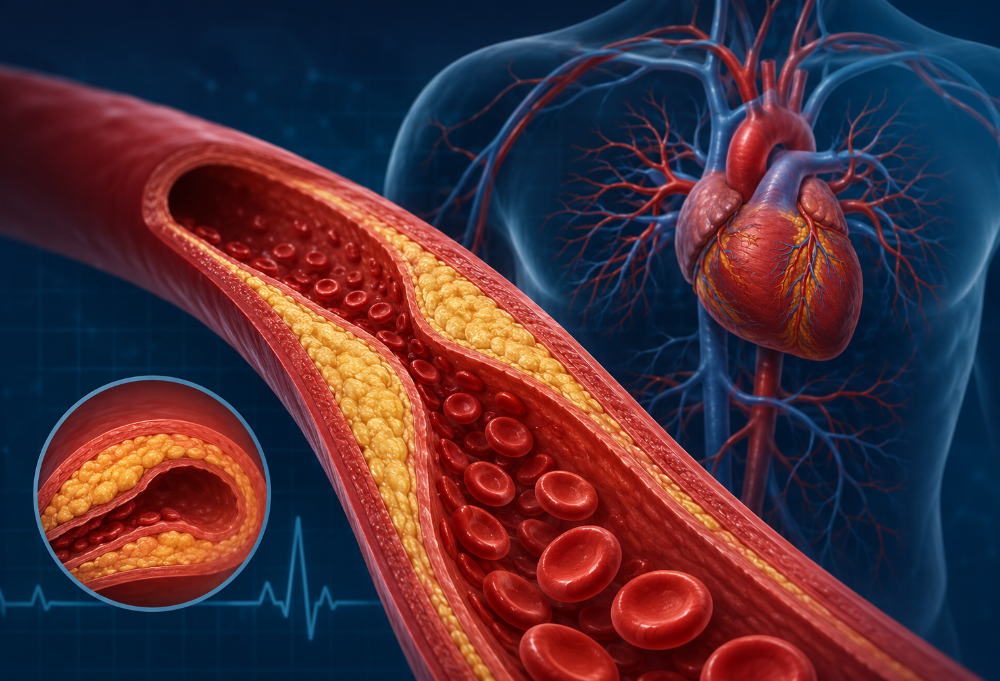
Every year, millions of people are diagnosed with cardiovascular disease, yet many had no idea anything was wrong until a serious health event occurred. Atherosclerosis is one of the leading drivers of this trend, quietly developing over decades before symptoms ever appear. Whether you live in Arlington, TX, or anywhere else in the country, understanding this condition is one of the most important steps you can take toward protecting your long-term health.
Heart health awareness starts with knowing your risks, and atherosclerosis is a risk that no one should overlook.
What Is Atherosclerosis and How Does It Develop?
Atherosclerosis occurs when your arteries become clogged with fatty deposits called plaque, causing them to lose elasticity and become narrower. Plaque is a sticky mixture of fatty streaks that build up, making the walls of the arteries thick and hard. Over time, the artery narrows or becomes blocked, stopping blood from flowing properly.
Atherosclerosis is a slow, progressive disease that may begin as early as childhood, though it can also progress rapidly. A gradual buildup of plaque or thickening due to inflammation occurs on the inside of the walls of the artery, reducing blood flow and oxygen supply to vital body organs and extremities.
By age 60, about 75 percent of people have some degree of atherosclerosis. Atherosclerosis symptoms can begin as early as childhood and usually progress more rapidly between ages 40 and 50. This makes routine cardiovascular screenings especially important for middle-aged adults, even those who feel completely healthy.
Cholesterol can join with other substances to form a thick, hard deposit on the inside of the arteries. This narrows the arteries and makes them less flexible, a condition known as atherosclerosis. What makes this condition so dangerous is how gradually it unfolds, allowing it to reach an advanced stage before anyone notices.
Recognizing Atherosclerosis Symptoms Before It Is Too Late
One of the most alarming aspects of this condition is how rarely it announces itself in its early stages. Early stages of atherosclerosis often do not cause symptoms. Symptoms may first appear when you are under physical or emotional stress, during times when the body needs more oxygen. Some people may not notice symptoms until plaque buildup causes serious problems.
When atherosclerosis symptoms do appear, they vary significantly based on which arteries are affected. If atherosclerosis is in your coronary (heart) arteries, you may experience chest pain, shortness of breath, or a heart attack. If atherosclerosis is in your leg arteries, you may feel pain when walking.
Peripheral artery disease includes symptoms of pain, aching, heaviness, or cramps in the legs while walking or climbing stairs. Pain and other symptoms that stop when you rest is called intermittent claudication. This symptom is frequently dismissed as simple fatigue or aging, which is why it is so commonly ignored until the condition has already progressed.
Marked narrowing of the carotid arteries can present with symptoms such as weakness, difficulty speaking, dizziness, blurred vision, numbness of the face or limbs, severe headache, and loss of consciousness. These neurological signs are red flags that demand immediate medical attention, as they may indicate an impending stroke.
For residents of Arlington, TX, and surrounding communities in the Dallas-Fort Worth area, heart health awareness campaigns have increasingly focused on early detection. Knowing these warning signs can literally be the difference between life and death.
The Risk Factors Behind Clogged Arteries
Understanding what leads to clogged arteries helps people make the lifestyle and medical decisions that reduce their risk. The primary causes of atherosclerosis include elevated LDL cholesterol, smoking, high blood pressure, and diabetes. Risk factors also include obesity, a family history of cardiovascular disease, an unhealthy diet that is notably high in saturated fat, trans fat, ultra-processed foods, and hydrogenated oils.
Additional risk factors include high triglyceride levels, physical inactivity, and eating saturated fats. Sedentary lifestyles, particularly common among adults who spend long hours at a desk, contribute significantly to the buildup of arterial plaque over time.
It is also worth noting that atherosclerosis does not discriminate. Atherosclerosis can happen in any artery in your body, including those that supply blood to your brain, heart, legs, and intestine. This widespread potential makes it a truly systemic disease rather than one that affects only the heart.
Communities in Texas, including Arlington, TX, face particular challenges in this area. High rates of obesity, diabetes, and hypertension in the state contribute to elevated rates of cardiovascular disease. Heart health awareness efforts in the region have grown in response to these trends, encouraging residents to prioritize preventive care and regular screenings.
How Atherosclerosis Leads to Serious Cardiovascular Disease
Left untreated, clogged arteries can trigger a chain of events that leads to life-threatening cardiovascular disease. If the blockage occurs in an artery of the heart (coronary artery), it will cause angina (chest pain). As atherosclerosis progresses in the arteries of the heart, it may cause a heart attack. If it develops in the brain, it can cause a stroke. A plaque can also break apart, and if this happens, a blood clot forms at the break and blocks blood flow. The blood clot can move through the bloodstream, blocking blood flow to organs.
When atherosclerosis affects the arteries that supply blood to the kidneys, it can cause renal artery disease. Anywhere in the body, atherosclerosis can cause a bulge in the wall of an artery, called an aneurysm. If it bursts, an aneurysm can be life-threatening and there are often no symptoms beforehand.
Atherosclerosis can cause a heart attack, stroke, aneurysm, or blood clot. You may need medicine, treatments, or surgery to reduce the complications of atherosclerosis. For those in Arlington, TX, and nearby areas, access to cardiac specialists and advanced imaging technology plays a critical role in catching and managing these complications early.
The relationship between atherosclerosis and cardiovascular disease is well-established: the more advanced the arterial plaque buildup, the higher the risk of a serious cardiac or vascular event. This is why early intervention, whether through lifestyle changes or medical treatment, is so vital.
Prevention, Treatment, and the Path Forward
The encouraging reality is that atherosclerosis is manageable, especially when identified early. Atherosclerosis is highly treatable when diagnosed early, with advanced imaging technology available to precisely diagnose all types of artery disease, along with cutting-edge, minimally invasive treatments to reopen blocked arteries.
Lifestyle changes are often the first line of defense. Adopting a heart-healthy diet, engaging in regular physical activity, quitting smoking, and managing chronic conditions like diabetes and hypertension all contribute to slowing or even reversing early plaque buildup. Medications such as statins, blood pressure drugs, and antiplatelet therapy are commonly prescribed to reduce cardiovascular risk for those with more advanced disease.
Heart health awareness in Arlington, TX, has grown significantly, with local health systems and community organizations hosting screenings, educational events, and cardiovascular wellness programs. Taking advantage of these resources is one of the most accessible steps any person can take toward protecting their arteries.
Conclusion
Atherosclerosis is a widespread but often silent condition that builds up over a lifetime, quietly narrowing arteries and increasing the risk of cardiovascular disease. Recognizing atherosclerosis symptoms early, understanding the risk factors behind clogged arteries, and committing to a heart-healthy lifestyle are the most powerful tools available for protecting your health. Whether you are in Arlington, TX, or anywhere across the country, now is the time to prioritize heart health awareness and talk to your doctor about your cardiovascular risk.
Connecting The Dots Between Heart & Sleep
Dr. Atif Sohail is a board-certified cardiologist, of Heart & Sleep Clinics of America has been providing comprehensive and state-of-the-art services, including testing and treatment of cardiovascular disease and disorders, in Arlington and nearby cities for over 11 years. Dr. Sohail founded his own cardiology practice shortly after completing cardiology training abroad, as well as in the United States in 2001. After 5 years of practicing in Oklahoma, he relocated to Arlington, Texas where he remains. His services for the Arlington, Ft. Worth and Dallas communities include: a state-of-the-art outpatient clinic, in-patient management, emergency care, supervision and training of rotating students seeking a career in medicine. Give us a call today to learn more about what we can do for you.