


Subtle Signs of Heart Disease That Often Go Unnoticed
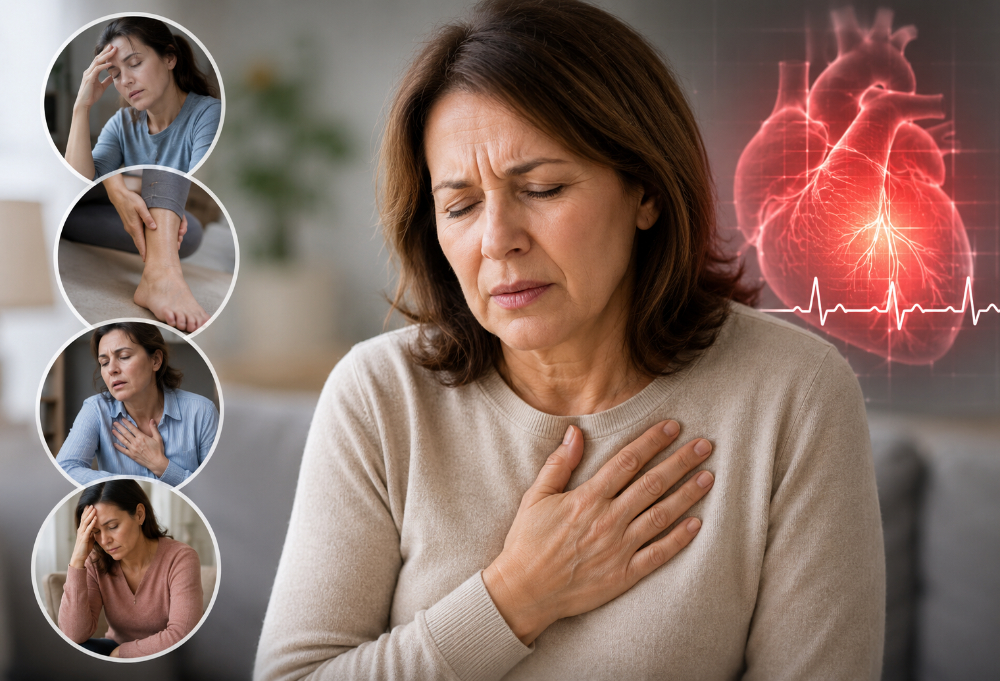
Heart disease remains the leading cause of death worldwide, yet many people are caught off guard by a diagnosis because the warning signs crept in quietly. Unlike the dramatic chest-clutching moments portrayed in movies, early heart disease symptoms are often so mild and gradual that they blend into the background of everyday life. Fatigue, a little shortness of breath, some occasional dizziness… these are easy to dismiss as stress, aging, or a bad night of sleep. The truth is that your body may be sending cardiovascular warning signs long before a crisis occurs.
Learning to recognize these hidden heart problem signs could genuinely save your life.
The Surprising Connection Between Fatigue and Your Heart
Most people assume that feeling tired is simply a product of a busy lifestyle. However, persistent, unexplained fatigue is one of the most overlooked early heart disease symptoms, especially in women. When the heart is not pumping blood efficiently, the body redirects energy away from non-essential functions to keep vital organs supported. The result is a bone-deep exhaustion that does not improve with rest.
This type of fatigue feels different from ordinary tiredness. You may sleep a full eight hours and still wake up feeling like you have not rested at all. Simple tasks like climbing a flight of stairs, carrying groceries, or even getting dressed may leave you feeling disproportionately wiped out. Many people chalk this up to getting older or being out of shape, but when fatigue is paired with other subtle cardiovascular warning signs, it deserves a closer look.
The heart works harder than normal when its function is compromised, whether due to blocked arteries, a weakening muscle, or irregular electrical signals. That extra strain takes a toll on the entire body. If you have noticed a significant and unexplained shift in your energy levels over recent weeks or months, bring it up with your doctor rather than waiting to see if it passes on its own.
Why Shortness of Breath Should Never Be Ignored
Shortness of breath is another hidden heart problem sign that people frequently attribute to being out of shape, seasonal allergies, or anxiety. While those causes are certainly possible, breathlessness that appears without a clear explanation, or that is getting progressively worse, can indicate that the heart is struggling to move blood through the lungs effectively.
When the left side of the heart is not pumping properly, fluid can back up into the lungs. This condition, known as pulmonary congestion, makes it harder for oxygen to transfer into the bloodstream. The early stages may feel like a mild tightness in the chest or a sense that you just cannot take a deep enough breath. Over time, it may become difficult to lie flat without feeling winded, a condition doctors refer to as orthopnea.
Pay particular attention if shortness of breath appears during activities that never used to wind you, like walking up a gentle incline, doing light housework, or simply standing up quickly from a chair. These are among the early heart disease symptoms that a stress test or echocardiogram can help detect before the condition progresses to something more serious.
Swelling, Palpitations, and Other Physical Clues
The body is remarkably communicative when something is wrong internally, but the signals it sends are not always obvious. Swelling in the feet, ankles, and legs, medically called edema, is a classic cardiovascular warning sign that often goes unrecognized for months. It happens when a weakened heart cannot pump blood efficiently enough, causing fluid to pool in the lower extremities due to gravity. You might notice that your shoes feel tight by the end of the day, or that pressing a finger into your ankle leaves a temporary indent.
Heart palpitations are another frequently dismissed symptom. A palpitation feels like a fluttering, racing, pounding, or skipping sensation in the chest. Most people experience them occasionally without any underlying issue, but when they become frequent, last for extended periods, or are accompanied by dizziness or chest discomfort, they can point to arrhythmias or other structural problems with the heart.
Some people also experience a persistent, dry cough that has no respiratory cause. This can occur when fluid accumulates in the lungs due to heart failure, and it is often mistaken for a lingering cold or a side effect of blood pressure medication. Additionally, nausea, indigestion, and stomach discomfort are often listed as hidden heart problem signs in women, whose heart attack presentations can differ significantly from the classic symptoms more commonly described in men.
The Role of Jaw Pain, Neck Discomfort, and Unusual Aches
One of the most misunderstood early heart disease symptoms involves pain that has nothing to do with the chest. The heart shares nerve pathways with other parts of the upper body, which means discomfort from a compromised heart can radiate outward in unexpected directions. Jaw pain, neck tightness, shoulder aches, and even upper back pain can all be cardiovascular warning signs, particularly if they appear during physical exertion or emotional stress and fade once you rest.
This phenomenon, known as referred pain, happens because the brain sometimes misinterprets signals coming from the heart and assigns them to other nearby regions. A classic example is left arm pain during a heart attack, but less well-known is the fact that some people feel this referred discomfort primarily in the jaw, throat, or right arm instead.
These aches are especially concerning when they arrive suddenly, without a physical explanation like exercise or injury, and when they come with other symptoms such as sweating, lightheadedness, or nausea. Many people have attributed these sensations to dental problems, tension headaches, or muscle strain, delaying treatment for what was actually a cardiovascular emergency. Trusting your instincts and seeking medical evaluation when something feels off is always the right call.
Why People Miss These Signs and What You Can Do About It
There are several reasons why hidden heart problem signs slip past both patients and sometimes even healthcare providers. First, many of these symptoms are intermittent, meaning they come and go, which makes them feel less urgent. Second, they are often vague and easily attributed to other causes. Third, there is a widespread cultural tendency to downplay symptoms, particularly among men who may associate seeking help with weakness, and among women whose symptoms are more likely to be dismissed or misdiagnosed.
Awareness is the first and most powerful tool. Understanding that cardiovascular warning signs do not always look like crushing chest pain helps people advocate for themselves more effectively in medical settings. If you notice a combination of the symptoms discussed above, do not wait for them to get worse before bringing them up with a doctor.
Routine screenings also play a critical role. Blood pressure checks, cholesterol panels, blood sugar tests, and electrocardiograms can uncover risk factors and abnormalities long before symptoms become severe. People with a family history of heart disease, those who smoke, those living with diabetes or obesity, and anyone over the age of 45 should be particularly proactive about cardiac screening.
Lifestyle adjustments matter too. Regular physical activity, a heart-healthy diet, stress management, quality sleep, and avoiding tobacco all reduce the burden on your cardiovascular system significantly.
Conclusion
Early heart disease symptoms are not always loud or dramatic. They often arrive as whispers: a little more tiredness than usual, some swelling that did not used to be there, a shortness of breath that seems slightly out of proportion. Recognizing these hidden heart problem signs and acting on them promptly is what makes the difference between catching a problem early and facing a crisis unprepared. Your heart is always working for you. It is worth paying attention when it asks for help.
Connecting The Dots Between Heart & Sleep
Dr. Atif Sohail is a board-certified cardiologist, of Heart & Sleep Clinics of America has been providing comprehensive and state-of-the-art services, including testing and treatment of cardiovascular disease and disorders, in Arlington and nearby cities for over 11 years. Dr. Sohail founded his own cardiology practice shortly after completing cardiology training abroad, as well as in the United States in 2001. After 5 years of practicing in Oklahoma, he relocated to Arlington, Texas where he remains. His services for the Arlington, Ft. Worth and Dallas communities include: a state-of-the-art outpatient clinic, in-patient management, emergency care, supervision and training of rotating students seeking a career in medicine. Give us a call today to learn more about what we can do for you.