


How Undiagnosed Sleep Apnea Strains Your Heart (And What to Do About It)
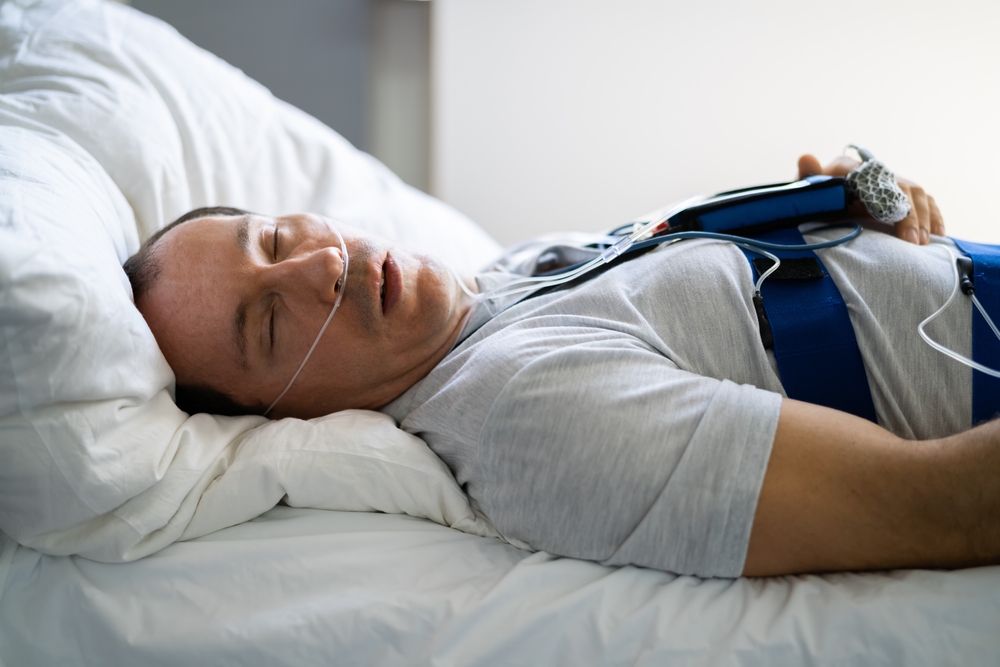
Loud snoring, restless nights, and daytime exhaustion can be easy to dismiss as normal signs of stress or a busy schedule. For people in Arlington, however, repeated breathing interruptions during sleep may point to sleep apnea, a condition that can affect more than how rested you feel.
Sleep apnea can place repeated stress on the cardiovascular system because breathing pauses may lower blood oxygen, disrupt sleep, and activate the body’s stress response. Over time, untreated obstructive sleep apnea is associated with conditions including high blood pressure, atrial fibrillation, coronary artery disease, heart failure, and stroke. The American Heart Association considers sleep apnea an important cardiovascular health concern.
What Arlington Residents Should Know
-
Loud, frequent snoring combined with gasping or pauses in breathing can be a warning sign of obstructive sleep apnea.
-
Residents throughout Arlington, from Viridian and the Entertainment District to neighborhoods near Lake Arlington, may have symptoms without realizing what is happening while they sleep.
-
Morning headaches, daytime sleepiness, trouble concentrating, and waking with a dry mouth can also occur with sleep apnea.
-
People with cardiovascular conditions such as difficult-to-control high blood pressure or atrial fibrillation should discuss possible sleep apnea with a healthcare professional.
-
A sleep study can help determine whether sleep apnea is present and how severe it is.
Why Does Sleep Apnea Put Stress on Your Heart?
Sleep apnea strains your heart by repeatedly interrupting normal breathing, lowering oxygen levels, and triggering physiological stress while you sleep. Instead of remaining in a steady resting state overnight, your cardiovascular system may repeatedly respond to breathing disruptions, which can contribute to increased cardiovascular risk over time.
With obstructive sleep apnea, tissues in the upper airway repeatedly block or partially block airflow. Each event can interrupt normal sleep and force the body to work harder to resume breathing.
The National Heart, Lung, and Blood Institute notes that sleep apnea can cause low oxygen levels and repeated efforts to restart breathing. These effects may contribute to problems involving the heart and blood vessels, including difficult-to-control high blood pressure, atrial fibrillation, heart attack, heart failure, pulmonary hypertension, and stroke.
For Arlington residents already managing heart concerns, recognizing possible sleep-disordered breathing can be an important part of the bigger health picture.
Why Does This Matter for People in Arlington?
For people in Arlington, identifying sleep apnea matters because symptoms can quietly affect nighttime health, daytime alertness, and existing cardiovascular conditions. Someone commuting along I-20, working near Downtown Arlington, attending classes around UT Arlington, or managing a busy family schedule may blame persistent fatigue on everyday demands rather than disrupted breathing during sleep.
Sleep apnea often goes unnoticed because some of its clearest symptoms happen while the person is asleep. A spouse or partner may notice loud snoring, gasping, choking sounds, or periods when breathing seems to stop.
Heart & Sleep Clinics of America serves patients in the Arlington area who may need help understanding the connection between sleep symptoms and cardiovascular health. We can help patients discuss symptoms, risk factors, and appropriate next steps rather than assuming chronic exhaustion or snoring is simply normal.
What Are the Warning Signs of Sleep Apnea?
The most recognizable warning signs of sleep apnea include repeated loud snoring, breathing pauses, gasping during sleep, and significant daytime tiredness. Because symptoms vary and some occur only at night, Arlington residents may need input from a sleeping partner or medical evaluation to recognize the pattern.
Watch for signs such as:
-
Frequent loud snoring
-
Gasping or choking during sleep
-
Witnessed pauses in breathing
-
Excessive daytime sleepiness
-
Morning headaches
-
Waking with a dry mouth
-
Difficulty concentrating or reacting
-
Frequently waking during the night
Snoring alone does not confirm sleep apnea. However, snoring combined with breathing pauses, gasping, daytime fatigue, or cardiovascular concerns deserves medical attention.
When Should You Talk to a Professional?
You should talk with a healthcare professional when snoring or poor sleep is accompanied by breathing pauses, gasping, significant daytime sleepiness, or cardiovascular concerns. A professional evaluation is especially appropriate when symptoms persist rather than improving with ordinary changes to sleep habits.
The American Heart Association specifically encourages awareness of obstructive sleep apnea among people with cardiovascular disease and identifies situations such as poorly controlled hypertension, pulmonary hypertension, and recurrent atrial fibrillation as reasons clinicians may consider sleep apnea screening.
For residents in Arlington, Pantego, Dalworthington Gardens, and surrounding Tarrant County communities, seeking evaluation can help distinguish sleep apnea from other possible causes of fatigue or nighttime symptoms.
How Is Sleep Apnea Diagnosed?
Sleep apnea is diagnosed through a healthcare evaluation and, when appropriate, a sleep study that measures breathing and other body functions during sleep. Depending on the individual situation, testing may involve an overnight laboratory study or an appropriate home sleep apnea test.
A provider may begin by asking about:
-
Snoring and breathing changes during sleep
-
Daytime fatigue or sleepiness
-
Medical history and cardiovascular conditions
-
Family history
-
Medications
-
Other possible causes of sleep disruption
A sleep study provides objective information that can help determine whether apnea is occurring and how serious it may be.
Trying to diagnose yourself from snoring alone can miss important details.
What Factors Can Raise Your Risk for Sleep Apnea?
Several factors can increase the likelihood of sleep apnea, including age, excess body weight, family history, smoking, alcohol use, and certain anatomical or medical factors. Risk varies from person to person, which is why symptoms and medical history should be evaluated together rather than relying on one characteristic alone.
Obstructive sleep apnea can affect people across the Arlington community, including people who do not fit the stereotype of someone with a sleep disorder.
That is one reason persistent symptoms should not be dismissed solely because someone is young, active, or does not consider themselves a typical sleep apnea patient.
What Can You Do About Sleep Apnea?
Sleep apnea can often be managed after the correct type and severity are identified, with treatment selected according to the patient’s individual needs. Options may include positive airway pressure therapy such as CPAP, lifestyle changes, oral appliances, or other medical approaches depending on the cause and clinical situation.
Safe steps you can take include maintaining a consistent sleep schedule, limiting alcohol, avoiding smoking, and discussing weight management with your healthcare provider when appropriate.
These measures are not substitutes for diagnosis when warning signs are present.
If breathing repeatedly stops during sleep, simply buying a new pillow, using an over-the-counter snoring product, or trying to sleep longer does not establish what is causing the problem.
What Results Can You Expect After Seeking Care?
The first realistic result of seeking care is greater clarity about whether sleep apnea is contributing to your symptoms and what treatment may be appropriate. Effective management is individualized, and results depend on factors such as apnea type, severity, other medical conditions, and how consistently a prescribed treatment is used.
Patients who receive treatment should continue appropriate follow-up. The National Heart, Lung, and Blood Institute recommends regular checkups after a sleep apnea diagnosis to make sure treatment is working and notes that repeat sleep testing may sometimes be appropriate.
Our goal is to help Arlington patients understand the relationship between heart health and sleep health so they can make informed decisions with their healthcare team.
What Are Common Mistakes People Make With Possible Sleep Apnea?
The biggest mistakes are treating persistent symptoms as harmless, relying on snoring alone to judge severity, or postponing evaluation despite cardiovascular concerns. A better approach is to look at the complete pattern of nighttime breathing, daytime symptoms, health history, and appropriate diagnostic testing.
Mistake: Assuming loud snoring is only annoying.
Consequence: Symptoms such as breathing pauses or gasping may be overlooked.
Better approach: Tell your healthcare provider about the full pattern.
Mistake: Blaming constant fatigue on a busy Arlington lifestyle.
Consequence: A sleep disorder may remain unrecognized.
Better approach: Discuss persistent daytime sleepiness even if you believe you spend enough hours in bed.
Mistake: Trying multiple snoring remedies without evaluation.
Consequence: The underlying cause remains unknown.
Better approach: Seek medical guidance when warning signs suggest sleep apnea.
Mistake: Ignoring sleep symptoms because your main concern is your heart.
Consequence: A potentially relevant cardiovascular risk factor may go unaddressed.
Better approach: Discuss sleep quality as part of your overall cardiovascular care.
A Common Arlington Scenario
A common local scenario is an adult who lives in South Arlington, Mansfield, or another nearby community and has gradually become accustomed to poor-quality sleep. A partner reports increasingly loud snoring and occasional gasping, while the person notices morning headaches and struggles to stay alert during the afternoon.
If that person also has high blood pressure or another cardiovascular concern, simply assuming the symptoms come from stress, work, or aging could delay an appropriate evaluation.
This is not a diagnosis or a patient case. It is a common pattern that illustrates why nighttime symptoms and heart health should be considered together.
What Services Can Help Address Possible Sleep Apnea?
Professional sleep and cardiovascular evaluation can help determine whether symptoms require sleep testing, heart-related assessment, treatment, or coordinated follow-up. The appropriate services depend on the person’s symptoms, health history, test results, and existing conditions rather than a one-size-fits-all approach.
At Heart & Sleep Clinics of America, we focus on helping patients understand both sides of that relationship so important sleep and cardiovascular concerns are not considered in isolation.
How Do Professional Evaluation and DIY Changes Compare?
Professional evaluation identifies whether a medical sleep disorder is present, while healthy sleep habits can support overall wellness but cannot confirm or rule out sleep apnea. For Arlington residents experiencing gasping, witnessed breathing pauses, persistent daytime sleepiness, or cardiovascular concerns, professional assessment offers information that home observation alone cannot provide.
Lifestyle changes such as limiting alcohol, avoiding smoking, maintaining healthy routines, and managing weight when appropriate may be part of a treatment plan. They should complement, rather than replace, recommended testing or medical treatment.
What Areas Do We Serve?
We serve people seeking heart and sleep care in Arlington and surrounding parts of Tarrant County. Our location is also convenient for patients coming from nearby communities such as Pantego, Dalworthington Gardens, Grand Prairie, and Mansfield.
Whether you live near Lake Arlington, Viridian, Downtown Arlington, or the Entertainment District, persistent sleep symptoms are worth discussing with a qualified healthcare professional.
What Can Happen If Sleep Apnea Is Left Untreated?
Untreated sleep apnea can continue exposing the body to repeated nighttime breathing interruptions, low oxygen levels, and sleep fragmentation, all of which are associated with cardiovascular health concerns. Waiting can also mean continuing to experience daytime fatigue, impaired concentration, and other symptoms that may affect everyday functioning.
The goal is not to assume that every person who snores has a dangerous condition. It is to recognize combinations of symptoms that justify evaluation.
Frequently Asked Questions About Sleep Apnea and Heart Health
Can sleep apnea raise blood pressure?
Yes. Obstructive sleep apnea is associated with high blood pressure, including blood pressure that can be difficult to control. Repeated breathing interruptions, oxygen changes, and stress responses during sleep may contribute to cardiovascular strain. Anyone with persistent sleep apnea symptoms and hypertension should discuss the connection with a healthcare professional.
How do I know if I have sleep apnea in Arlington?
You cannot reliably diagnose sleep apnea based on symptoms alone. Loud snoring, gasping, witnessed breathing pauses, daytime sleepiness, dry mouth, and morning headaches can signal a need for evaluation. A healthcare provider can review your symptoms and determine whether a sleep study is appropriate.
Is snoring always a sign of sleep apnea?
No. Snoring does not automatically mean you have sleep apnea. Concern increases when snoring occurs with gasping, choking, breathing pauses, disrupted sleep, or significant daytime sleepiness. Arlington residents experiencing those combinations should consider discussing them with a healthcare professional rather than relying on snoring volume alone.
Can sleep apnea affect an irregular heartbeat?
Yes. Obstructive sleep apnea is associated with atrial fibrillation and other cardiovascular conditions. The American Heart Association notes that clinicians should consider sleep apnea in certain patients with recurrent atrial fibrillation and other cardiovascular concerns. Evaluation should be individualized by a qualified healthcare professional.
Can I take a sleep apnea test at home in Arlington?
Some patients can be evaluated with a home sleep apnea test, while others may need an overnight laboratory sleep study. The appropriate test depends on your symptoms, medical history, and clinical situation. A healthcare professional can determine which testing approach is appropriate rather than relying on consumer sleep-tracking devices.
Should Arlington residents with high blood pressure be checked for sleep apnea?
People with poorly controlled or resistant high blood pressure may have a reason to discuss obstructive sleep apnea screening with their healthcare provider. The American Heart Association specifically identifies resistant or poorly controlled hypertension as a situation in which clinicians should consider screening for obstructive sleep apnea.
Does treating sleep apnea replace heart treatment?
No. Sleep apnea treatment does not replace appropriate cardiovascular care. People with heart disease, high blood pressure, arrhythmias, or other cardiovascular conditions should continue following their medical treatment plan while addressing sleep apnea as recommended. Coordinating sleep and cardiovascular care can help ensure that both conditions receive appropriate attention.
When should I seek help for possible sleep apnea near Arlington?
Seek professional guidance when you have repeated gasping, witnessed breathing pauses, loud persistent snoring with daytime sleepiness, or symptoms occurring alongside cardiovascular concerns. These signs warrant more than simply monitoring your sleep at home. A professional evaluation can determine whether sleep testing or additional medical assessment is appropriate.
Protect Your Sleep and Support Your Heart Health in Arlington
Sleep and cardiovascular health are closely connected, and persistent nighttime breathing problems deserve appropriate attention. We help local patients look beyond snoring and fatigue so they can better understand what may be happening while they sleep.