


How Managing Sleep Apnea Can Lower Your Risk of High Blood Pressure: Advice from Arlington Heart Specialists
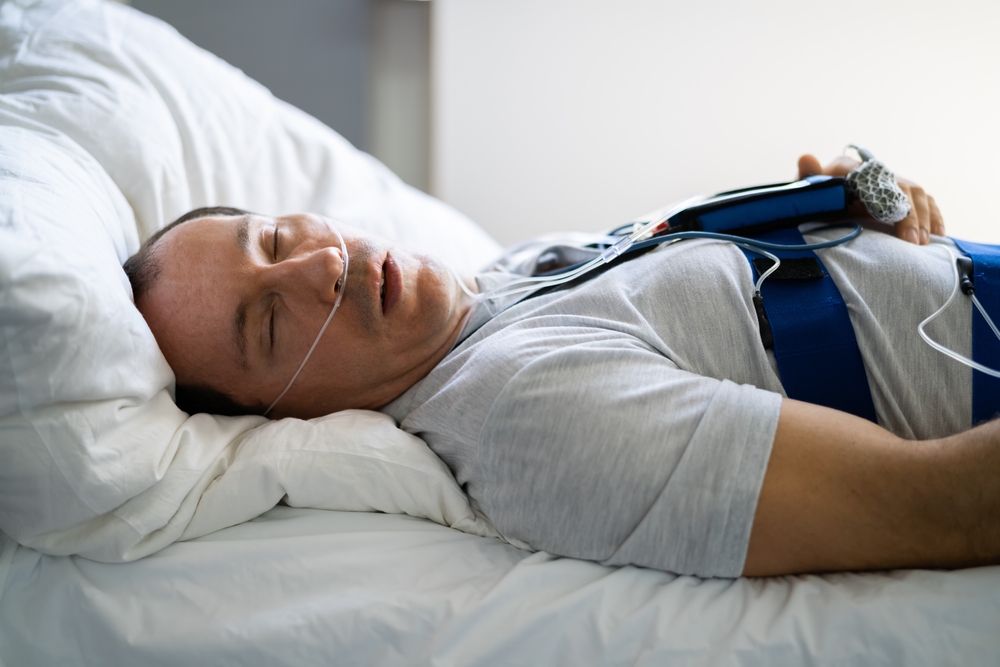
A loud snore may seem like little more than a nighttime nuisance, especially after a long day commuting across the Dallas-Fort Worth area or attending an event near AT&T Stadium. However, repeated pauses in breathing during sleep can place added stress on the cardiovascular system.
For Arlington residents who have sleep apnea, managing the condition may support healthier blood pressure, better-quality sleep, and more coordinated heart care.
Quick Answer
Treating sleep apnea can reduce repeated drops in oxygen and nighttime surges in stress hormones that may contribute to elevated blood pressure. Treatment does not replace prescribed blood pressure medication, and results vary by patient. A sleep study, cardiovascular evaluation, and personalized treatment plan can help determine whether CPAP therapy, an oral appliance, lifestyle changes, or another option is appropriate.
What Local Readers Should Know
-
Untreated obstructive sleep apnea is associated with an increased risk of high blood pressure, heart disease, and stroke.
-
Residents throughout Tarrant County may overlook sleep apnea when fatigue is blamed on work schedules, traffic, allergies, or insufficient sleep.
-
Loud snoring alone does not confirm sleep apnea, but snoring combined with gasping, choking, or witnessed breathing pauses deserves medical attention.
-
Consistent treatment matters because occasional CPAP use may not provide the same benefit as following the prescribed plan every night.
-
Sleep apnea care and blood pressure care should be coordinated rather than treated as unrelated issues.
How Does Sleep Apnea Affect Blood Pressure?
Sleep apnea can affect blood pressure by repeatedly interrupting breathing, lowering oxygen levels, and activating the body’s stress response during sleep. These events may cause temporary blood pressure spikes throughout the night and can contribute to persistently elevated pressure over time.
Obstructive sleep apnea occurs when the upper airway repeatedly narrows or closes during sleep. Each breathing interruption can prompt the brain to briefly awaken the body so airflow resumes. The person may not remember waking, but the cycle can happen repeatedly and prevent restorative sleep.
During these episodes, the heart and blood vessels respond to changing oxygen levels and surges of stress hormones. This is one reason sleep apnea is particularly relevant for patients whose blood pressure remains high despite medication or whose readings are elevated in the morning.
Why Does This Connection Matter in Arlington?
The sleep apnea and blood pressure connection matters in Arlington because common local routines can make symptoms easy to dismiss. Long commutes, shift work, late events, seasonal allergies, and demanding schedules may all be blamed for fatigue even when disrupted breathing is contributing to the problem.
North Texas residents often spend significant time driving between Arlington, Fort Worth, Dallas, Grand Prairie, and Mansfield. Daytime drowsiness, poor concentration, and morning headaches can affect more than comfort. They may also interfere with safe driving, productivity, exercise habits, and the ability to follow a heart-healthy routine.
Heat can also discourage outdoor activity during parts of the year. Although climate does not directly cause obstructive sleep apnea, reduced activity and weight changes can influence risk in some individuals.
Heart & Sleep Clinics of America helps patients consider sleep health and cardiovascular health together. We evaluate each person’s symptoms, medical history, blood pressure pattern, and treatment needs rather than assuming that one solution is right for everyone.
What Signs May Point to Sleep Apnea?
Signs that may point to sleep apnea include repeated breathing pauses, gasping during sleep, loud snoring, morning headaches, dry mouth, and excessive daytime sleepiness. Some patients have few obvious nighttime symptoms and first seek help because of fatigue or difficult-to-control blood pressure.
Watch for:
-
Loud, frequent snoring that disrupts a partner’s sleep
-
Witnessed pauses in breathing
-
Gasping, choking, or snorting during the night
-
Morning headaches or a dry mouth
-
Daytime sleepiness despite spending enough time in bed
-
Difficulty concentrating, remembering details, or staying alert
-
Irritability or noticeable mood changes
-
High blood pressure that is difficult to manage
Residents near Downtown Arlington, Lake Arlington, Viridian, or East Arlington should not assume these signs are simply the result of a busy North Texas lifestyle. A clinical evaluation is the only reliable way to determine whether sleep apnea is present.
When Should You Talk to a Heart or Sleep Specialist?
You should talk to a heart or sleep specialist when breathing pauses, gasping, severe snoring, persistent daytime sleepiness, or unexplained morning headaches occur. Evaluation is also appropriate when high blood pressure remains elevated despite treatment or is accompanied by symptoms suggesting disrupted sleep.
A sleep specialist may recommend an overnight sleep study or a home sleep apnea test, depending on the patient’s symptoms and health history. A cardiovascular clinician may review blood pressure readings, medications, heart rhythm concerns, and other risk factors.
Seek emergency medical care for chest pain, severe shortness of breath, fainting, signs of a stroke, or other sudden symptoms. Sleep apnea appointments are not a substitute for emergency evaluation.
Which Treatments Can Support Better Blood Pressure Control?
Sleep apnea treatments that may support better blood pressure control include positive airway pressure therapy, oral appliances, appropriate lifestyle changes, and selected procedures. The best option depends on the type and severity of sleep apnea, airway anatomy, overall health, and ability to use the treatment consistently.
Common treatment options include:
CPAP or another positive airway pressure device: A CPAP machine uses gentle air pressure to help keep the airway open. It is commonly prescribed for obstructive sleep apnea and must be fitted and adjusted appropriately.
Oral appliance therapy: Some patients may qualify for a professionally fitted device that moves the lower jaw forward to improve airflow. An over-the-counter snoring device is not equivalent to a prescribed sleep apnea appliance.
Lifestyle changes: Weight management, regular physical activity, avoiding smoking, limiting alcohol near bedtime, and following healthy sleep habits may be part of care. These steps should complement, not automatically replace, prescribed treatment.
Positional therapy: Some people experience more breathing interruptions while sleeping on their backs. A clinician can determine whether sleep position is an important part of the condition.
Surgical or procedural options: Selected patients may benefit from procedures that address airway obstruction when other approaches are unsuitable or ineffective.
Treatment should not be changed solely because a blood pressure reading improves. Continue prescribed medications unless the clinician managing them recommends an adjustment.
What Results Can Patients Realistically Expect?
Patients can realistically expect sleep apnea treatment to focus first on maintaining airflow and improving sleep quality. Some people also experience better morning blood pressure or improved overall blood pressure control, but the size of the change varies and treatment is not a guaranteed cure for hypertension.
Results may depend on sleep apnea severity, nightly treatment use, existing cardiovascular disease, medication adherence, weight, diet, physical activity, and other medical conditions. Blood pressure should be monitored over time rather than judged from a single reading.
A home blood pressure log can help. Record readings according to your clinician’s instructions and bring the log to follow-up visits. Patients traveling from neighborhoods near the University of Texas at Arlington or communities elsewhere in Tarrant County may find that keeping one shared record makes coordinated appointments more productive.
What Mistakes Can Reduce the Benefit of Treatment?
Common mistakes that reduce the benefit of sleep apnea treatment include inconsistent device use, poor mask fit, self-adjusting treatment, and stopping blood pressure medication without guidance. A better approach is to report problems early so the care plan can be adjusted safely.
Mistake: Using CPAP only when symptoms feel severe.
Consequence: Breathing interruptions may continue on untreated nights.
Better approach: Follow the prescribed schedule consistently.
Mistake: Ignoring mask leaks or discomfort.
Consequence: Poor fit can reduce treatment effectiveness and make continued use difficult.
Better approach: Request help with fit, pressure concerns, dryness, or irritation.
Mistake: Assuming snoring has stopped, so sleep apnea is cured.
Consequence: Reduced snoring does not always mean breathing is normal.
Better approach: Complete recommended follow-up testing and clinical reviews.
Mistake: Stopping hypertension medication after a few lower readings.
Consequence: Blood pressure may rise again and increase cardiovascular risk.
Better approach: Let the prescribing clinician decide whether medication changes are appropriate.
How Can Arlington Patients Compare Their Options?
Arlington patients should compare sleep apnea options according to diagnosis, effectiveness, comfort, safety, and long-term adherence. Choosing between CPAP, an oral appliance, lifestyle measures, or a procedure should be based on clinical findings rather than convenience alone.
| Option | Potential Role | Important Consideration |
|---|---|---|
| CPAP therapy | Keeps the airway open with pressurized air | Requires proper setup and consistent use |
| Oral appliance | Repositions the jaw to improve airflow | Must be professionally selected and fitted |
| Lifestyle changes | May reduce contributing risk factors | May not control sleep apnea by themselves |
| Positional therapy | Helps selected patients avoid back sleeping | Works only for certain breathing patterns |
| Procedure or surgery | Addresses specific airway obstruction | Requires individualized specialist evaluation |
A common local scenario involves a patient who blames morning headaches and afternoon fatigue on commuting or late nights. A spouse later reports loud snoring and breathing pauses. Testing identifies sleep apnea, and coordinated treatment allows the patient’s sleep and blood pressure patterns to be monitored together. This is an illustrative scenario, not a patient case study or promised outcome.
What Happens If Sleep Apnea Is Ignored?
Ignoring sleep apnea allows repeated nighttime breathing interruptions and oxygen changes to continue. Over time, untreated sleep apnea may contribute to difficult-to-control blood pressure and is associated with increased cardiovascular risk, daytime impairment, and reduced quality of sleep.
Waiting can also make it harder to determine why hypertension remains elevated. A patient may need medication changes, sleep apnea treatment, lifestyle support, or a combination of approaches.
Frequently Asked Questions
Can treating sleep apnea cure high blood pressure?
Treating sleep apnea does not guarantee that high blood pressure will disappear. It may help improve blood pressure control in some patients, particularly when sleep apnea is contributing to nighttime or resistant hypertension. Medication, nutrition, activity, and other medical conditions may still require separate management.
Should Arlington residents with high blood pressure be tested for sleep apnea?
Arlington residents with high blood pressure should discuss testing when they also have loud snoring, witnessed breathing pauses, gasping, daytime sleepiness, morning headaches, or resistant hypertension. A clinician can review the full pattern and determine whether a home or laboratory sleep study is appropriate.
Can I have sleep apnea without loud snoring?
Yes, a person can have sleep apnea without obvious loud snoring. Symptoms may include unexplained fatigue, waking with a headache, poor concentration, frequent nighttime awakenings, or difficult-to-control blood pressure. Because symptoms vary, diagnosis should be based on a professional evaluation and appropriate testing.
Does CPAP lower blood pressure immediately?
CPAP does not produce the same blood pressure response in every patient, and improvement may not be immediate. Benefits depend partly on consistent use and the person’s broader health profile. Continue monitoring blood pressure and taking medication as prescribed while your clinicians evaluate progress.
Where can Tarrant County patients seek coordinated care?
Tarrant County patients can seek coordinated care from qualified heart and sleep clinicians who evaluate cardiovascular risk, nighttime breathing, treatment adherence, and blood pressure patterns together. Coordinated records and follow-up may be especially helpful for patients already seeing multiple providers for hypertension or other conditions.
Can weight loss replace sleep apnea treatment?
Weight loss should not automatically replace prescribed sleep apnea treatment. Weight management may improve obstructive sleep apnea in some patients, but the condition can persist even after significant weight changes. Continue using prescribed therapy until repeat testing and your clinician confirm that changes are safe.
Is daytime sleepiness dangerous for Dallas-Fort Worth commuters?
Yes, significant daytime sleepiness can create safety concerns for Dallas-Fort Worth commuters, especially during long drives or early and late shifts. Avoid driving when dangerously drowsy and seek prompt medical evaluation when sleepiness is persistent, severe, or accompanied by suspected breathing interruptions.
How often should Arlington patients check their blood pressure?
Arlington patients should check blood pressure according to instructions from the clinician managing their hypertension. The recommended schedule varies based on readings, medications, and health history. Use a properly sized cuff, follow the same measurement routine, and bring recorded results to follow-up appointments.
Protect Your Sleep and Heart Health in Arlington
Managing sleep apnea is one practical way to address a potentially overlooked contributor to cardiovascular strain. With proper testing, individualized treatment, and consistent follow-up, patients can make informed decisions about both sleep and blood pressure care.
Take the Next Step Toward Better Sleep and Healthier Blood Pressure
Our team can help you understand your symptoms and discuss appropriate evaluation options without assuming that every patient needs the same treatment.