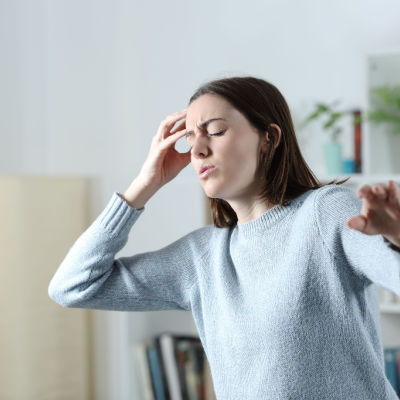
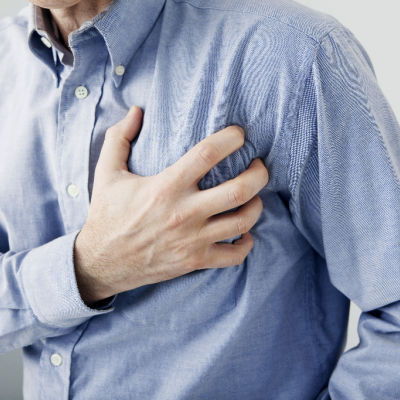
Heart disease is a group of conditions that affect the structure or function of your heart. It can include high blood pressure, heart failure, clots in your arteries and other issues. The most common type of heart disease is coronary artery disease (CAD). This occurs when the arteries that supply your heart with oxygen-rich blood become clogged with fatty deposits, called plaques. When these fatty plaques become unstable, they can crack and rupture, causing blood clots to form, which can block an artery and cause a heart attack or stroke.
High Blood Pressure
High blood pressure is a common and dangerous problem as it can cause serious health problems including heart disease, stroke, and kidney failure. When blood pressure is too high, it can damage arteries and other blood vessels, preventing the flow of oxygen and nutrients to the organs, tissues, and cells of your body. The good news is that many of the things that contribute to high blood pressure can be controlled through healthy lifestyle changes such as eating a heart-healthy diet, getting regular physical activity, and reducing stress.
Smoking
The chemicals in cigarettes damage the heart and blood vessels, increasing the risk of diseases such as atherosclerosis (plaque buildup in the arteries), stroke, heart attack and peripheral arterial disease. Carbon monoxide in cigarette smoke also reduces the amount of oxygen that can reach your body, increasing the risk of heart disease and lung cancer. Getting help to stop smoking is the best way to prevent heart disease and other health problems. Quitting tobacco immediately cuts the risk of heart attack, stroke, and lung cancer. After one year, the risk of these diseases is about half that of a smoker; within 5 years, the risks are almost as low as non-smokers.
Home sleep apnea tests work by attaching sensors to your body that measure a variety of variables, including your heart rate, blood oxygen levels, airflow and breathing patterns. These measurements can help your doctor diagnose obstructive sleep apnea and recommend treatment options. To ensure that your home sleep apnea test is successful, plan out the test day in advance so that it is easy for the device to stay in place. Avoid drinking alcohol or taking caffeine close to the time of your test and keep your hair and body products free from sprays, gels, and makeup.
The number of sensors and types of measurements vary between home sleep apnea tests. The most accurate test uses at least three sensors that provide a comprehensive picture of your sleeping habits. These measurements can help your doctor diagnose obstructive sleep apnea and recommend treatment options. However, since some home tests are less accurate, particularly those that only measure a few key variables, they are not as accurate as in-clinic observed tests. In such cases, your doctor may recommend an in-lab study for a more accurate diagnosis of sleep apnea.
Before you can take an at-home test, your doctor must determine if it’s the right option for you. They may also want to discuss your medical history and other potential sleep disorders that are not caused by obstructive sleep apnea. Typically, doctors order an at-home test when they suspect moderate to severe OSA in patients without other medical conditions. Overall, home sleep apnea tests are an excellent choice for people who don’t have access to or can’t afford a lab-based sleep study as they are typically less expensive than polysomnography and can sometimes be covered by health insurance.
Obstructive sleep apnea is the most common type of sleep apnea and is caused by an obstruction in your airway. These blockages can occur when the muscles of your throat relax too much or when tissues in the back of your throat collapse. People with obstructive sleep apnea may stop breathing repeatedly during the night and snore loudly while sleeping. These episodes of breathing temporarily lower oxygen levels in the body and cause daytime drowsiness, restless sleep, and a feeling of choking or gasping during wakefulness.
Central Sleep Apnea
Central sleep apnea (CSA) is an uncommon sleep disorder in which breathing repeatedly stops and starts during sleep. It can occur in both adults as well as children. Everyone breathes during sleep, but CSA happens when the part of your brain that controls breathing isn’t sending the right signals to your breathing muscles. These pauses in breathing cause oxygen levels in your body to decrease. When central sleep apnea happens too often, or for too long, the drops in blood oxygen level can damage your brain cells. This can be serious or even life-threatening. CSA also increases the risk of heart disease and stroke. Sudden, repeated episodes of low blood oxygen can worsen heart problems, especially if you have underlying heart disease or high cholesterol. Symptoms of central sleep apnea include snoring and abnormal breathing patterns during sleep. Typically, these symptoms go unnoticed or are only noticed by your partner or caregiver.
Complex Sleep Apnea
Complex sleep apnea is a more severe form of central sleep apnea (CSA) in which patients experience repeated apnea events even when using positive airway pressure therapy (CPAP or an oral appliance). These apnea events can often be caused by underlying medical conditions and medications. There are treatment options that can help people feel better and improve their quality of life. It usually involves addressing the underlying causes of the abnormal breathing while offering treatments to support normal breathing. These include positive airway pressure, supplemental oxygen, medications, and nerve stimulation.
Are you experiencing frequent lightheadedness or fainting spells? Unsure what might be causing these issues? Then your cardiologist may recommend a tilt table test, sometimes known as a passive head-up tilt test (HUTT). This procedure is used to record both your blood pressure and heart rate each minute, while the patient is tilted on a table at varying levels.
A HUTT can be a great way to determine what is causing your symptoms. The results of the test help us evaluate your blood pressure and heart rhythm. It will also help us determine the best treatment plan for your symptoms, and can even help us decide whether you will require additional testing to help diagnose your condition.
What Happens During a HUTT Test?
The test usually takes about an hour and a half to complete, but your test may be shorter depending on your symptoms and the changes we see in your vitals. It’s not a bad idea to plan to be in our office for a couple of hours. While you can continue to take your prescription medication before the test, you should not eat or drink anything except a little water for about four hours before the test.
Before the test begins, we will usually place an IV into the arm to take blood samples to measure adrenaline. Whether blood samples need to be taken will depend on your medical history. We will also place a blood pressure cuff on both arms and small electrodes on your chest to measure the electrical activity of the heart.
During the test, you will lie on your back on a motorized table and your blood pressure and heart rhythm will be taken at baseline. You will rest for about 15 minutes and then we will begin the test. As mentioned earlier, both your heart rate and blood pressure will be measured and monitored throughout the entire test.
Next, the table will be tilted at different angles, always in a position in which you are upright (you will never be upside-down). We will also check in with you throughout to see how you are feeling and if you are experiencing any symptoms. The goal of the test is to not cause you to faint, though this may happen depending on how you respond to the test. We will continue to monitor your vital signs for about 10 minutes after the test, and you will stay in our lab until any symptoms have resolved.
Experiencing bouts of dizziness or fainting? Questions about HUTT? Call our office today.
We’ve all heard the dreaded names heart attack and heart failure. So what sets these two frightening conditions apart?
Heart Attack
A heart attack, also known as a myocardial infarction, occurs when a blood clot develops at the site of plaque in a coronary artery, suddenly cutting off most or all blood supply to that part of the heart muscle. If the blood supply is not restored quickly, the heart muscle will begin to die due to a lack of oxygen. This can cause permanent damage to the heart, and, in the worst cases, death.
Heart attacks should not be confused with heart failure. Heart failure is typically a chronic, long-standing condition, while heart attacks generally come on suddenly.
Know the Symptoms
Symptoms of a heart attack can vary from person to person. If you think you may be having a heart attack, seek medical help and call 911 immediately.
The National Heart Attack Alert Program notes these major symptoms of a heart attack:
Tightness and discomfort in the chest area. Most heart attacks cause pain in the center of the chest, lasting for more than a few minutes. Discomfort may subside for a minutes and then return.
The sensation is an uncomfortable pressure, a feeling of swelling, fullness, or a painful squeezing.
Pain or discomfort in other areas of the body, including one or both arms, the back, neck, jaw or stomach.
Shortness of breath. This symptom may occur before any feeling of discomfort arises in the chest, but most often accompanies it.
Sweating and nausea. Breaking out in a cold sweat and feeling nauseated or lightheaded are also common symptoms of a heart attack.
To improve your heart health and prevent a heart attack, maintain a healthy weight, exercise, quit smoking, eat a healthy diet, manage blood pressure and cholesterol, and visit your doctor or cardiac specialist for regular medical checkups.
Heart Failure
Heart failure (congestive heart failure) occurs when the heart fails to pump enough blood to maintain the needs of the body. A highly common condition, it affects an estimated 5 million people in the United States each year.
The best way to prevent heart failure is to manage risk factors that lead to it, such as high blood pressure, high cholesterol, coronary artery disease, obesity, and diabetes. Lifestyle changes, medication, and surgery can all relieve and improve symptoms.
Heart failure is a serious condition, but when the symptoms are managed with proper treatment, patients with heart failure can lead a normal, active life.
Getting Help
While heart failure can be less dramatic than a heart attack, it can also be just as lethal. If you suspect you or a loved one may be suffering from either heart failure or a heart attack, seek medical care immediately.