


Atherosclerosis Explained: Signs, Risks, and Prevention Tips
Heart disease remains one of the leading health concerns for families across North Texas, and many people do not realize they have a problem until symptoms become serious. For residents in Arlington, understanding atherosclerosis and recognizing its warning signs can help you take action before a heart attack or stroke occurs.
Quick Answer
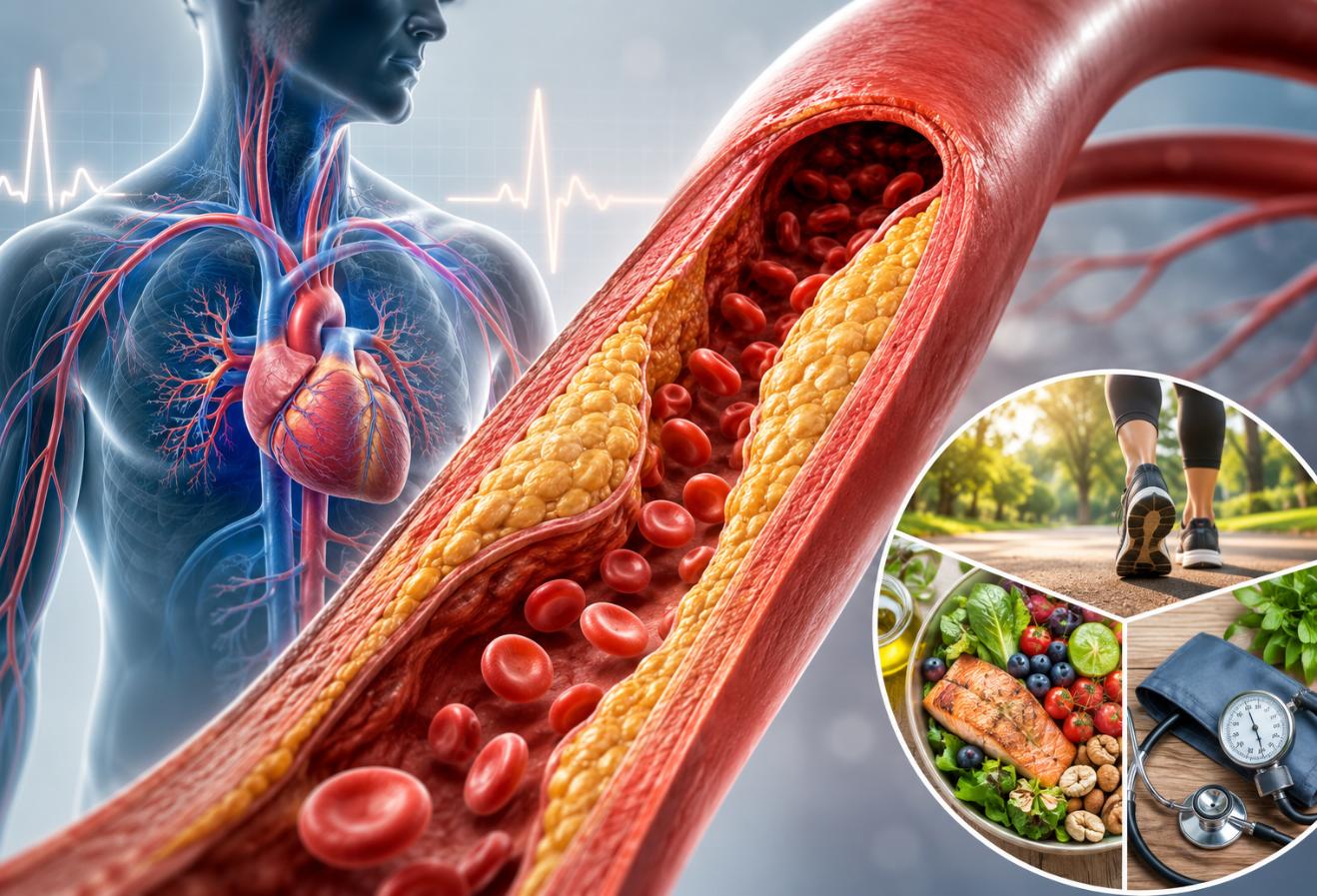
Atherosclerosis is a condition in which plaque made up of cholesterol, fat, calcium, and other substances builds up inside the arteries. Over time, this buildup narrows the arteries and reduces blood flow to the heart, brain, and other parts of the body. Early detection, healthy lifestyle choices, and appropriate medical care can help slow its progression and reduce the risk of serious cardiovascular events.
What Local Readers Should Know
- Atherosclerosis often develops silently over many years before noticeable symptoms appear.
- Residents throughout Arlington and Tarrant County should pay close attention to heart health if they have high blood pressure, diabetes, or elevated cholesterol.
- North Texas summers can place additional strain on the cardiovascular system, making hydration and proper medical management especially important.
- Regular preventive screenings can identify risk factors before they lead to complications.
- Lifestyle changes combined with medical treatment may significantly reduce the risk of heart attack and stroke.
Why This Matters Locally
Atherosclerosis affects people everywhere, but local health trends make prevention especially important in Arlington and surrounding communities such as Grand Prairie, Mansfield, Pantego, and Dalworthington Gardens. Busy lifestyles, sedentary office work, and common risk factors like obesity, diabetes, and hypertension contribute to cardiovascular disease throughout Tarrant County.
At Heart & Sleep Clinics of America, we believe education is one of the most effective tools for preventing serious heart disease. Our goal is to help patients recognize risks early so they can make informed decisions about their cardiovascular health.
Local Data and Professional Observations
According to the Centers for Disease Control and Prevention and the Texas Department of State Health Services, heart disease continues to be one of the leading causes of death in Texas. While every person’s health history is unique, cardiovascular specialists commonly see patients whose artery disease has developed gradually over many years without obvious symptoms.
Routine preventive evaluations remain one of the most effective ways to identify cardiovascular risks before they become emergencies.
How Atherosclerosis Affects Your Body
Atherosclerosis reduces blood flow by narrowing the arteries with plaque deposits. As the plaque grows, less oxygen-rich blood reaches vital organs and muscles.
This reduced circulation may affect:
- The heart, increasing the risk of coronary artery disease and heart attacks
- The brain, raising the likelihood of stroke
- The legs, leading to peripheral artery disease
- The kidneys and other organs that depend on healthy blood flow
Plaque can also rupture unexpectedly. When this happens, a blood clot may quickly form and completely block an artery, causing a medical emergency.
Warning Signs of Atherosclerosis
Atherosclerosis often causes no symptoms during its early stages. As arteries become more narrowed, warning signs may develop depending on which arteries are affected.
Common symptoms include:
- Chest pain or pressure
- Shortness of breath during activity
- Fatigue with routine exercise
- Pain, cramping, or heaviness in the legs while walking
- Sudden weakness or numbness on one side of the body
- Difficulty speaking or vision changes
- Cold feet or poor circulation
- Slow healing wounds on the feet or legs
Anyone experiencing sudden chest pain or symptoms of a stroke should seek emergency medical care immediately.
When to Call a Professional
Persistent cardiovascular symptoms deserve prompt medical evaluation. While occasional fatigue may have many causes, recurring chest discomfort, reduced exercise tolerance, unexplained shortness of breath, or leg pain during walking should not be ignored.
Individuals with diabetes, high blood pressure, high cholesterol, or a strong family history of heart disease should also discuss preventive cardiovascular screening with a healthcare provider, even if they feel well.
Common Causes and Risk Factors
Several factors contribute to the development of atherosclerosis. Some can be controlled, while others cannot.
High Cholesterol
Elevated LDL cholesterol contributes to plaque formation inside artery walls.
High Blood Pressure
Hypertension places continuous stress on blood vessels, making plaque buildup more likely.
Smoking
Smoking damages blood vessels and significantly accelerates artery disease.
Diabetes
Poor blood sugar control increases damage to blood vessels over time.
Obesity and Physical Inactivity
Excess weight and a sedentary lifestyle contribute to multiple cardiovascular risk factors simultaneously.
Family History
Genetics can increase the likelihood of developing cardiovascular disease even among otherwise healthy individuals.
Aging
The risk naturally increases as people grow older.
Prevention and Maintenance
Preventing atherosclerosis begins with consistent healthy habits and regular medical care.
Helpful prevention strategies include:
- Eating a diet rich in fruits, vegetables, whole grains, and lean proteins
- Limiting saturated fats, trans fats, and excess sodium
- Exercising regularly after discussing activity levels with your healthcare provider
- Maintaining a healthy body weight
- Controlling blood pressure, cholesterol, and diabetes
- Avoiding tobacco products
- Managing stress
- Scheduling regular cardiovascular checkups
Preventive care is often more effective than waiting until symptoms become severe.
What Results Can You Expect?
Atherosclerosis cannot always be reversed, but many people successfully slow its progression through lifestyle improvements and appropriate medical treatment.
Depending on an individual’s condition, treatment may help:
- Improve circulation
- Reduce chest discomfort
- Lower heart attack and stroke risk
- Improve exercise tolerance
- Support long-term cardiovascular health
Results vary based on overall health, existing artery damage, and commitment to treatment recommendations.
Common Mistakes to Avoid
Mistake: Ignoring mild chest discomfort.
Consequence: Serious artery disease may continue progressing unnoticed.
Better Approach: Schedule a medical evaluation for recurring symptoms.
Mistake: Assuming symptoms are simply part of aging.
Consequence: Delayed diagnosis may increase cardiovascular risk.
Better Approach: Discuss new symptoms with a healthcare provider.
Mistake: Stopping medications without medical guidance.
Consequence: Blood pressure or cholesterol may become uncontrolled.
Better Approach: Follow treatment plans and discuss any concerns before making changes.
Mistake: Waiting until symptoms become severe.
Consequence: Emergency treatment may become necessary.
Better Approach: Prioritize preventive screenings and regular follow-up care.
Common Local Scenario
A common situation involves an Arlington resident who notices increasing shortness of breath while walking around River Legacy Parks or climbing stairs but attributes it to getting older. After a cardiovascular evaluation, underlying artery disease is identified before a heart attack occurs. Early diagnosis provides more opportunities for treatment and long-term management.
Related Cardiovascular Services
Patients concerned about atherosclerosis may benefit from services such as:
- Cardiovascular risk assessments
- Cholesterol management
- Blood pressure evaluation
- Diagnostic heart testing
- Preventive cardiology consultations
- Ongoing cardiovascular monitoring
Comparing Your Options
| Option | Advantages | Limitations |
|---|---|---|
| Lifestyle changes alone | Improve overall health and reduce risk factors | May not be enough for advanced disease |
| Medical management | Helps control cholesterol, blood pressure, and diabetes | Requires ongoing follow-up and medication adherence |
| Comprehensive cardiovascular evaluation | Identifies risks and guides individualized treatment | Requires professional assessment |
Service Areas
We proudly serve patients throughout Arlington as well as Mansfield, Grand Prairie, Pantego, Dalworthington Gardens, and surrounding communities across Tarrant County and North Texas.
The Cost of Ignoring Atherosclerosis
Untreated atherosclerosis can gradually lead to serious complications, including heart attack, stroke, peripheral artery disease, and reduced quality of life. Early evaluation gives patients more options for managing cardiovascular health before major events occur.
Frequently Asked Questions
What is atherosclerosis?
Atherosclerosis is the buildup of plaque inside the arteries that reduces blood flow. Over time, this narrowing increases the risk of heart attack, stroke, and other cardiovascular conditions if left untreated.
Who is most at risk for atherosclerosis in Arlington?
Adults in Arlington with diabetes, high blood pressure, high cholesterol, obesity, smoking history, or a family history of heart disease generally have a higher risk. Regular preventive care can help identify concerns early.
Can atherosclerosis be prevented?
Many risk factors can be reduced through healthy eating, regular physical activity, tobacco avoidance, weight management, and appropriate medical treatment for conditions such as hypertension and high cholesterol.
What symptoms should I never ignore?
Chest pain, sudden shortness of breath, weakness on one side of the body, difficulty speaking, or sudden vision changes require immediate medical attention because they may indicate a heart attack or stroke.
Does everyone with atherosclerosis have symptoms?
No. Many people experience no symptoms until the disease has become advanced. This is why preventive cardiovascular screenings are important for individuals with known risk factors.
When should I schedule a heart evaluation in Arlington?
If you have recurring cardiovascular symptoms or multiple risk factors, scheduling a preventive evaluation can help determine your heart health and identify any underlying concerns before complications develop.
Does exercise help reduce the risk of atherosclerosis?
Yes. Regular physical activity can improve cardiovascular health, help control blood pressure and cholesterol, support weight management, and lower the risk of developing artery disease. Exercise recommendations should always be individualized based on your health.
Can atherosclerosis be reversed?
Complete reversal is not always possible, but lifestyle improvements and appropriate medical treatment can often slow progression, improve circulation, and reduce the risk of serious cardiovascular events.
Protect Your Heart with Preventive Cardiovascular Care
Understanding your cardiovascular risk today can help protect your health for years to come. Contact us to schedule a heart health evaluation and learn about your options for preventing and managing atherosclerosis in Arlington and the surrounding communities.