Snoring is often laughed off as a harmless, albeit annoying, nighttime habit. However, for many adults in Arlington, TX, frequent or loud snoring can be a warning sign of a more serious underlying health issue. Beyond disrupting your sleep or your partner’s, snoring can be a red flag that points to more severe conditions like obstructive sleep apnea. Even more concerning, recent studies continue to show strong connections between sleep apnea and heart disease, making this issue something no adult should ignore.
If you live in Arlington and have dismissed your snoring as just a normal part of aging or a minor inconvenience, it may be time to take a closer look. From the perspective of cardiovascular health, snoring may be far more dangerous than many realize.
The Link Between Snoring and Heart Health
Snoring and heart health are more connected than most people think. Snoring, especially when it is persistent and loud, is one of the most common signs of obstructive sleep apnea. This condition causes repeated interruptions in breathing during sleep. Each pause, even if only for a few seconds, reduces oxygen levels in the blood and puts stress on the heart. Over time, this can have serious consequences for cardiovascular function.
Sleep apnea has been linked to conditions such as irregular heart rhythms, coronary artery disease, and even heart failure. In fact, people with untreated sleep apnea are more likely to suffer from strokes or heart attacks. This makes understanding the relationship between snoring and heart health a crucial step in prevention.
Many residents of Arlington, TX are unaware that their nightly snoring may be putting their hearts at risk. Consulting a cardiology and sleep clinic in Arlington can help uncover whether snoring is just noise or a symptom of a more severe health issue.
Sleep Apnea: A Hidden Threat to the Heart
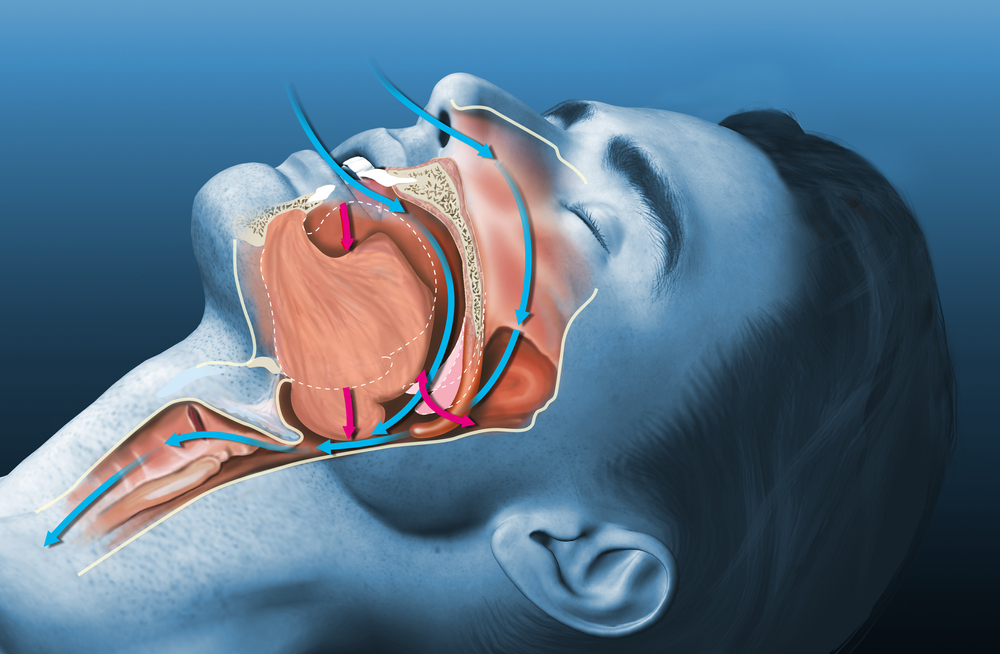
Sleep apnea is more than a sleep disorder. It is a condition that affects the entire body. The most common type, obstructive sleep apnea (OSA), causes the airway to collapse or become blocked during sleep. This forces the brain to wake the body up just enough to resume breathing, often without the person being fully aware of it. This cycle can repeat hundreds of times a night.
The strain caused by these constant awakenings and oxygen level drops can lead to elevated blood pressure, a well-established risk factor for heart disease. High blood pressure and sleep apnea often go hand-in-hand. In fact, sleep apnea may even be the root cause of high blood pressure in some individuals who otherwise show no typical risk factors.
It is important for Arlington adults to take sleep apnea seriously. Not only can it contribute to fatigue and poor daytime function, but it also quietly increases the burden on the heart. For those experiencing symptoms such as morning headaches, gasping for air at night, or constant tiredness despite a full night’s sleep, a sleep study in Arlington, TX could reveal a potentially life-saving diagnosis.
Diagnosis and Treatment Options in Arlington, TX
Thanks to growing awareness, more sleep and heart clinics in Arlington are offering integrated services to diagnose and treat sleep apnea and associated cardiovascular issues. If you have ever searched for a “heart and sleep clinic near me,” you may have already discovered that help is closer than you think.
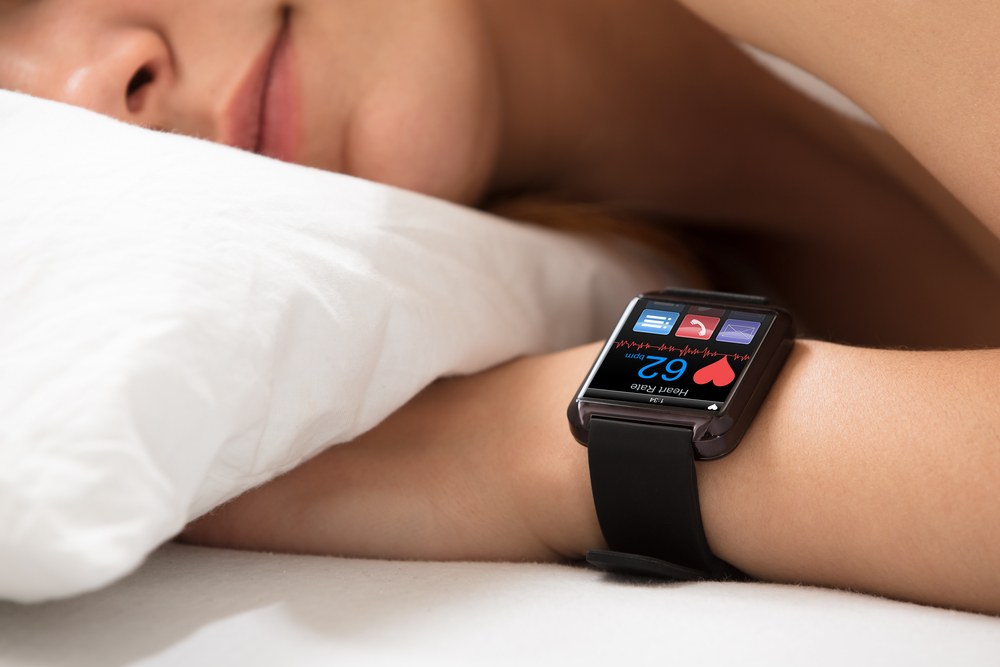
The first step is usually a sleep study. Arlington, TX has several reputable facilities that offer overnight testing in a controlled environment. This study monitors various body functions including brain activity, breathing patterns, heart rate, and oxygen levels while you sleep. In some cases, home sleep testing may also be available.
If sleep apnea is confirmed, treatment options can vary. The most common and effective treatment is continuous positive airway pressure (CPAP) therapy, which uses a machine to keep the airway open during sleep. For some patients, alternative treatments such as oral appliances or even lifestyle modifications may be appropriate. In any case, working closely with a specialist in sleep apnea treatment in Arlington can help manage symptoms and reduce health risks.
Treating sleep apnea often leads to immediate benefits such as better sleep and more energy during the day. But just as importantly, it also lowers the risk of developing or worsening heart conditions. Addressing sleep apnea could be one of the most impactful steps a person can take for their overall health.
Why You Shouldn’t Ignore the Signs
Many people delay seeking help for snoring or fatigue, believing it is either harmless or something they just have to live with. But ignoring the signs of sleep apnea could be putting your heart at risk. Adults in Arlington should understand that snoring is not just an inconvenience. It can be a critical warning sign from the body that something is wrong.
When you think about cardiovascular health, you might consider diet, exercise, and cholesterol levels. Sleep often gets left out of the equation. However, poor sleep quality has just as much impact on heart health as other risk factors. This makes sleep apnea a significant concern for anyone with a family history of heart disease, high blood pressure, or existing cardiac issues.
Cardiology and sleep clinics in Arlington are increasingly recognizing the need for comprehensive care that addresses both heart and sleep health. These clinics offer coordinated diagnosis and treatment strategies that look at the full picture. If snoring is a nightly occurrence or you wake up feeling unrested despite getting enough hours of sleep, it’s time to take action.
Conclusion
For many adults in Arlington, TX, snoring is more than just a nighttime nuisance. It can be a serious sign of underlying health problems, particularly obstructive sleep apnea. Left untreated, this condition significantly increases the risk of heart disease, high blood pressure, and stroke.
Taking steps to understand the link between sleep apnea and heart disease could be life-changing. With access to local resources like sleep studies and specialized cardiology and sleep clinics, Arlington residents are well-positioned to take control of their health. Whether you are worried about your own snoring or a loved one’s, do not wait until symptoms escalate.
If you have ever found yourself typing “heart and sleep clinic near me” or wondering about persistent fatigue, now is the time to act. Early diagnosis and treatment can protect your sleep, your energy levels, and most importantly, your heart.
Connecting The Dots Between Heart & Sleep
Dr. Atif Sohail is a board-certified cardiologist, of Heart & Sleep Clinics of America has been providing comprehensive and state-of-the-art services, including testing and treatment of cardiovascular disease and disorders, in Arlington and nearby cities for over 11 years. Dr. Sohail founded his own cardiology practice shortly after completing cardiology training abroad, as well as in the United States in 2001. After 5 years of practicing in Oklahoma, he relocated to Arlington, Texas where he remains. His services for the Arlington, Ft. Worth and Dallas communities include: a state-of-the-art outpatient clinic, in-patient management, emergency care, supervision and training of rotating students seeking a career in medicine. Give us a call today to learn more about what we can do for you.
Sleep is essential for every aspect of health, but its role in cardiovascular function is often underestimated. For patients in Arlington, TX, understanding how inadequate sleep contributes to elevated blood pressure levels is critical, especially when managing or preventing hypertension. While daily stress, diet, and physical activity are commonly addressed in heart health conversations, sleep quality and duration also play a vital role.
When the body doesn’t get enough rest, it initiates a stress response. This leads to the release of hormones like cortisol and adrenaline, which cause the heart to beat faster and blood vessels to constrict. Over time, this chronic elevation of stress hormones contributes to sustained high blood pressure. Many residents seeking a cardiologist in Arlington, TX are increasingly learning that evaluating sleep patterns is just as important as monitoring cholesterol levels or sodium intake.
Patients dealing with insomnia or disrupted sleep patterns often experience spikes in blood pressure during the night and early morning, which may go undetected without proper monitoring. This phenomenon, known as “non-dipping” blood pressure, is especially dangerous because it increases the risk of heart attacks and strokes during sleep or shortly after waking. The relationship between sleep deprivation and hypertension is complex, but its impact is undeniable.
Why Sleep Quality Matters for Blood Pressure Control
Sleep is not merely a period of physical rest. It is a time of systemic repair, hormonal regulation, and cardiovascular recalibration. During deep sleep, blood pressure naturally dips, allowing the heart and blood vessels to rest and recover. However, when this rest is consistently interrupted or shortened, the body stays in a heightened state of alertness. This disrupts the circadian rhythm and prevents the normal drop in blood pressure, resulting in chronic strain on the cardiovascular system.
Patients participating in a sleep study in Arlington often discover that their blood pressure fluctuates dramatically during the night. This variability is particularly common in individuals with underlying sleep disorders like sleep apnea or restless leg syndrome. Over time, these fluctuations become more pronounced, leading to long-term damage to the arteries and heart.
The loss of this nightly “reset” period puts tremendous pressure on cardiovascular systems. Not only is the average blood pressure elevated throughout the day, but the body also becomes more resistant to traditional hypertension treatment. Arlington residents with resistant or hard-to-control blood pressure should not overlook the possibility that sleep issues are playing a major role.
The Overlap Between Sleep Apnea and Hypertension
One of the most common sleep disorders affecting blood pressure is obstructive sleep apnea (OSA). Characterized by repeated pauses in breathing during sleep, OSA leads to intermittent drops in oxygen levels. Each episode forces the brain to wake the body slightly in order to resume breathing, fragmenting sleep and triggering stress responses. Over time, these frequent disruptions lead to chronic elevation in blood pressure.
A sleep apnea doctor in Arlington, TX often sees patients who were initially referred by a cardiologist after failing to respond to standard hypertension medications. These patients are surprised to learn that poor sleep quality, not poor diet or lack of exercise, may be the root cause of their high blood pressure.
OSA not only disrupts nighttime blood pressure regulation but also contributes to a higher risk of other cardiovascular issues, including atrial fibrillation, heart failure, and stroke. That’s why comprehensive care often involves collaboration between a sleep specialist in Arlington, Texas and a cardiologist. Treating sleep apnea with continuous positive airway pressure (CPAP) therapy has been shown to significantly improve blood pressure control in many patients, often reducing the need for multiple medications.
When to Consider a Sleep Evaluation
Not all sleep problems are obvious. Some individuals may believe they sleep well simply because they fall asleep quickly, but they may still experience fragmented sleep or insufficient deep sleep stages. For others, signs like daytime fatigue, difficulty concentrating, or frequent nighttime awakenings may be the only clues.
Patients who are overweight, snore loudly, or have been diagnosed with resistant hypertension should seriously consider consulting a sleep specialist in Arlington, Texas. Often, a home-based or in-lab sleep study in Arlington can uncover undiagnosed conditions that significantly affect blood pressure and heart health.
Even individuals who are already under the care of a cardiologist in Arlington, TX should discuss their sleep patterns and quality during appointments. Sleep evaluations are particularly important for those who continue to experience elevated readings despite adherence to medication and lifestyle changes.
Patients frequently search for a “heart and sleep clinic near me” because they recognize the need for integrated care. Cardiovascular and sleep health are closely intertwined, and addressing both provides a more comprehensive approach to long-term wellness.
Integrating Sleep Into Hypertension Management Plans
Effective blood pressure management goes beyond medication and lifestyle counseling. For optimal results, healthcare providers in Arlington are increasingly incorporating sleep assessments into their treatment protocols. Understanding a patient’s sleep hygiene, environment, and duration can reveal hidden contributors to hypertension.
This integrative model is particularly beneficial for patients who have not responded well to conventional interventions. In such cases, collaboration between a sleep apnea doctor in Arlington, TX and a cardiologist can lead to more accurate diagnoses and more personalized treatment plans. For example, a patient might benefit from CPAP therapy, melatonin regulation, or behavioral therapy for insomnia in addition to their antihypertensive regimen.
Moreover, improving sleep quality has broader health benefits beyond blood pressure control. It supports immune function, mood regulation, cognitive clarity, and metabolic stability. Patients often report better overall energy levels and reduced dependency on medications once their sleep health is optimized.
Given the prevalence of both sleep disorders and hypertension in the adult population, especially among older adults and those with metabolic conditions, more patients are being encouraged to view sleep as an essential pillar of heart health.
Conclusion
For Arlington residents concerned about hypertension, understanding the connection between sleep and blood pressure is a critical piece of the puzzle. Chronic sleep deprivation, whether due to lifestyle habits or disorders like sleep apnea, contributes directly to elevated blood pressure and increased cardiovascular risk.
Addressing these issues requires a collaborative, multidisciplinary approach. A growing number of patients are now seeking help from a cardiologist in Arlington, TX in conjunction with a sleep specialist in Arlington, Texas to fully understand and manage their conditions. Diagnostic tools like a sleep study in Arlington provide vital insights that can dramatically alter the course of treatment.
Whether you’re already on medication for hypertension or just starting to monitor your heart health, don’t underestimate the importance of sleep. If you’ve found yourself searching for a “heart and sleep clinic near me,” you’re taking the right step toward comprehensive care. Optimizing sleep isn’t just about feeling more rested. It could be the key to protecting your heart and extending your life.
Connecting The Dots Between Heart & Sleep
Dr. Atif Sohail is a board-certified cardiologist, of Heart & Sleep Clinics of America has been providing comprehensive and state-of-the-art services, including testing and treatment of cardiovascular disease and disorders, in Arlington and nearby cities for over 11 years. Dr. Sohail founded his own cardiology practice shortly after completing cardiology training abroad, as well as in the United States in 2001. After 5 years of practicing in Oklahoma, he relocated to Arlington, Texas where he remains. His services for the Arlington, Ft. Worth and Dallas communities include: a state-of-the-art outpatient clinic, in-patient management, emergency care, supervision and training of rotating students seeking a career in medicine. Give us a call today to learn more about what we can do for you.
The intricate relationship between heart health and quality sleep has gained increasing attention in both cardiology and sleep medicine. For many, sleep is merely a time to rest the body and mind, but for healthcare professionals, it is recognized as a vital physiological process that supports cardiovascular function. Numerous studies have shown that inadequate or poor-quality sleep can significantly impact heart health, contributing to conditions such as high blood pressure, arrhythmias, heart failure, and coronary artery disease.
At a specialized sleep clinic in Arlington, TX, patients frequently present with complaints that range from fatigue and insomnia to more serious conditions like obstructive sleep apnea. What these symptoms often have in common is their underlying impact on cardiovascular health. During deep sleep stages, the body experiences a natural drop in blood pressure and heart rate, allowing the heart to recover and repair. When sleep is fragmented or shallow, this restorative process is disrupted, potentially leading to long-term cardiovascular issues.
Sleep deprivation not only stresses the heart through increased sympathetic nervous system activity but also raises cortisol levels, a hormone associated with stress and inflammation. Over time, this can contribute to atherosclerosis, the narrowing and hardening of arteries due to plaque buildup. That’s why heart and sleep professionals emphasize the need for comprehensive care that addresses both cardiac and sleep-related concerns.
The Sleep Apnea and Heart Disease Connection
Among the most well-documented links between sleep and cardiovascular problems is the sleep apnea and heart disease connection. Obstructive sleep apnea (OSA) is a condition where a person’s airway becomes partially or completely blocked during sleep, often due to relaxed throat muscles or excess tissue in the airway. This blockage leads to repeated breathing interruptions, causing drops in oxygen levels and frequent awakenings.
These physiological events are not benign. Each apnea episode triggers a stress response in the body, raising blood pressure and increasing heart rate. Over time, these repeated episodes place significant strain on the cardiovascular system. People with untreated sleep apnea are at a higher risk of developing conditions such as hypertension, stroke, atrial fibrillation, and heart failure.
A heart and sleep specialist in DFW can diagnose and treat these interconnected conditions by conducting sleep studies and cardiovascular assessments. Recognizing the signs of sleep apnea—such as loud snoring, gasping for air at night, and daytime fatigue—is the first step toward mitigating its harmful effects on the heart. Because sleep apnea often coexists with other metabolic disorders like obesity and diabetes, a multidisciplinary approach is essential for effective treatment.
Collaborative Care from Cardiologists and Sleep Specialists
In the past, sleep and heart issues were often treated in silos. Today, there is a growing recognition of the need for integrated care. A cardiologist in Arlington, TX who understands the importance of sleep can play a crucial role in identifying patients who may be at risk for sleep disorders. Likewise, sleep specialists trained to evaluate cardiovascular symptoms are better equipped to tailor therapies that improve both sleep quality and heart health.
For example, patients with nocturnal hypertension—elevated blood pressure during the night—often go undiagnosed without a sleep study. These patients may not exhibit traditional daytime symptoms but remain at elevated risk for heart attack and stroke. When identified by a team that includes both a cardiologist and a sleep specialist, these issues can be treated more precisely and effectively.
One of the key advantages of collaborative care is that it reduces redundant testing and leads to a more coordinated treatment plan. By working together, heart and sleep experts ensure that therapies aimed at one condition do not negatively affect the other. This holistic perspective improves patient outcomes and fosters better long-term health.
Exploring CPAP Alternatives in Dallas and Fort Worth
Continuous Positive Airway Pressure (CPAP) machines are considered the gold standard for treating obstructive sleep apnea, but many patients find them uncomfortable or difficult to use consistently. Fortunately, for residents seeking CPAP alternatives in Dallas, Fort Worth, a range of new technologies and therapies are becoming increasingly available.
Oral appliance therapy is one such alternative that has gained traction. These custom-fitted devices reposition the jaw to keep the airway open during sleep. They are particularly effective for patients with mild to moderate sleep apnea and can be a less intrusive option than CPAP.
Other innovations include positional therapy, which involves training the body to sleep in positions that reduce airway blockage, and implantable devices that stimulate the muscles controlling the airway. Lifestyle modifications such as weight loss, exercise, and dietary changes can also significantly reduce apnea symptoms and improve heart function.
It’s important to consult with a sleep clinic in Arlington, TX or a heart and sleep specialist in DFW to determine the most suitable treatment. Not every alternative will work for every patient, and proper diagnosis and follow-up care are essential to managing both sleep apnea and its cardiovascular implications.
How Better Sleep Improves Cardiovascular Outcomes
Improving sleep quality has a direct, measurable effect on heart health. People who get 7 to 9 hours of uninterrupted sleep per night experience better regulation of blood pressure, healthier cholesterol levels, and improved insulin sensitivity. These factors all contribute to a lower risk of cardiovascular disease.
Quality sleep also supports weight management and reduces systemic inflammation, two other critical components of heart health. Sleep deprivation, on the other hand, has been associated with poor dietary choices, increased appetite, and reduced physical activity—all of which contribute to heart disease.
For patients with existing heart conditions, optimizing sleep can aid in recovery and prevent further complications. Post-heart attack patients, for example, benefit from sleep therapies that enhance oxygenation and stabilize cardiac rhythms during rest. Addressing insomnia and other sleep disorders in cardiac patients is equally important, as it can improve medication adherence, reduce stress, and foster a more positive outlook on health.
Patients are encouraged to seek out specialized care from providers who understand the dual nature of these conditions. Whether working with a cardiologist in Arlington, TX or a heart and sleep specialist in DFW, the goal is the same: to promote healing and prevent disease progression through better sleep.
Conclusion
The link between sleep and heart health is undeniable and far more profound than once believed. With growing scientific evidence supporting the sleep apnea and heart disease connection, it is critical that patients and providers treat sleep not as a luxury, but as a vital sign of overall well-being. At the forefront of this movement are comprehensive care teams in Arlington, TX, and the greater Dallas-Fort Worth area, where collaboration between sleep clinics and cardiologists is creating better outcomes for patients.
From diagnosing hidden sleep disorders to offering CPAP alternatives in Dallas, Fort Worth, these specialists are changing the landscape of cardiovascular care. They recognize that addressing both the heart and sleep systemically, rather than in isolation, offers the best path to health. If you or someone you love is struggling with fatigue, snoring, or diagnosed heart issues, consulting a sleep clinic in Arlington, TX or a heart and sleep specialist in DFW could be a life-changing decision.
Better sleep isn’t just about feeling rested. It’s about giving your heart the care it needs to keep you healthy for years to come.
Connecting The Dots Between Heart & Sleep
Dr. Atif Sohail is a board-certified cardiologist, of Heart & Sleep Clinics of America has been providing comprehensive and state-of-the-art services, including testing and treatment of cardiovascular disease and disorders, in Arlington and nearby cities for over 11 years. Dr. Sohail founded his own cardiology practice shortly after completing cardiology training abroad, as well as in the United States in 2001. After 5 years of practicing in Oklahoma, he relocated to Arlington, Texas where he remains. His services for the Arlington, Ft. Worth and Dallas communities include: a state-of-the-art outpatient clinic, in-patient management, emergency care, supervision and training of rotating students seeking a career in medicine. Give us a call today to learn more about what we can do for you.
As the vibrant greens of summer fade into the rich golds and reds of autumn, many people find that the changing season brings more than just cooler air and pumpkin-spiced everything. Fall also has a noticeable impact on how we sleep. From temperature shifts to shorter days and changing routines, the body’s internal clock must readjust to the rhythm of the new season. Understanding how these changes affect rest can help you make the most of this transitional period and improve your sleep quality.
The Science Behind Seasonal Sleep Changes
Sleep patterns are deeply connected to environmental cues, particularly light and temperature. During fall, these cues shift significantly. Shorter daylight hours trigger a biological response that influences the release of hormones tied to rest and alertness. The body produces melatonin in response to darkness, which means that as days get shorter, the melatonin production increase can lead to earlier feelings of drowsiness.
For many, this natural adjustment is beneficial. It aligns with a more balanced sleep-wake cycle and encourages the body to wind down earlier. However, others experience difficulties adapting to this change, leading to what is often referred to as fall insomnia. The transition between seasons can disrupt regular sleep schedules, especially for those sensitive to alterations in light exposure or daily routine.
The circadian rhythm shift that occurs in fall can also be influenced by lifestyle factors. Artificial lighting, late-night screen use, and inconsistent bedtime routines interfere with the natural process. This means that while the season provides the biological conditions for better rest, people must align their habits to fully benefit from these seasonal sleep changes.
Temperature also plays a crucial role. The cooler nights of fall naturally create a more favorable environment for sleeping, as the body’s core temperature drops slightly during sleep. When room temperatures align with this physiological drop, rest tends to be deeper and more restorative. This is one of the most beneficial aspects of fall sleep patterns: the environment finally supports what the body needs most.
Navigating the Circadian Rhythm Shift
The circadian rhythm shift in fall is primarily driven by changes in daylight. The body’s internal clock, which governs sleep and wake cycles, relies on natural light to stay synchronized. As the sun rises later and sets earlier, this clock requires recalibration. The brain’s suprachiasmatic nucleus, located in the hypothalamus, interprets light signals from the eyes and adjusts melatonin secretion accordingly.
In fall, the earlier onset of darkness sends signals to the body that it’s time to prepare for rest sooner than usual. This process, however, doesn’t always align with modern schedules that demand alertness late into the evening. People who resist this natural cue by staying up under artificial light often experience sleep disruption. On the other hand, those who embrace earlier bedtimes may notice improved autumn sleep quality, as their routines become more attuned to the season’s rhythm.
A related factor is daylight saving time sleep disruption. When clocks are adjusted backward, the sudden shift in schedule can temporarily throw the circadian rhythm off balance. Many people report feeling groggy or waking up earlier than intended in the days following the time change. Although this effect is short-lived, it underscores how sensitive the body’s internal systems are to light and timing.
To adapt, it’s helpful to seek morning sunlight exposure. This helps reset the internal clock and signals the brain that the day has begun. Spending time outdoors during the brightest parts of the day can help stabilize sleep patterns and improve mood. Regular sleep and wake times, even on weekends, also aid in reinforcing a steady rhythm despite the external changes of fall.
The Role of Temperature & Sleep Comfort
Few things affect sleep as directly as comfort, and temperature plays a central role in that equation. The arrival of fall brings cooler evenings and crisper air, which can naturally enhance sleep comfort. During summer, excess heat often causes restless nights, as elevated temperatures prevent the body from reaching its optimal sleep temperature. In contrast, autumn’s drop in temperature helps maintain the right balance between body warmth and environmental coolness.
The ideal bedroom temperature for sleep typically falls between 60 and 67 degrees Fahrenheit. Within this range, the body can efficiently regulate its core temperature and maintain a consistent state of rest throughout the night. The cooler environment encourages the body to enter deeper sleep stages, promoting better recovery and mental clarity upon waking.
Temperature & sleep comfort are closely intertwined with bedding choices as well. During fall, heavier blankets or layered bedding can create a sense of coziness without overheating. Natural fabrics like cotton and bamboo are breathable, preventing moisture buildup and ensuring that the body remains at a stable temperature.
Another factor to consider is humidity. The drier air of autumn can lead to discomfort if not balanced with proper hydration or humidification indoors. Maintaining moderate humidity levels supports clear breathing, reducing nighttime disturbances and improving sleep continuity.
For individuals who experience fall insomnia due to environmental factors, optimizing sleep comfort can be one of the most effective remedies. Adjusting room temperature, choosing breathable sleepwear, and ensuring proper air circulation can dramatically improve rest quality as the season progresses.
The Impact of Shorter Daylight Hours on Sleep
Shorter daylight hours sleep patterns shift dramatically in the fall. As the sun sets earlier, exposure to natural light becomes limited. This reduction can influence both physical and mental states. Light exposure regulates not only the sleep-wake cycle but also mood and energy levels through its impact on serotonin and melatonin production.
When there is less daylight, serotonin levels tend to drop, sometimes leading to fatigue or mild seasonal affective symptoms. At the same time, increased darkness stimulates melatonin production, prompting earlier sleep onset. This dual effect means that while fall provides an opportunity for more restful nights, it can also trigger sluggishness or daytime drowsiness if balance is not maintained.
The key lies in managing exposure to light. Morning and midday light help suppress melatonin and boost alertness, signaling to the body that it’s time to be awake. Conversely, dimming lights in the evening and reducing screen time can encourage the natural release of melatonin before bed. This routine strengthens the connection between light exposure and the body’s natural sleep drive.
A structured bedtime routine becomes especially important during autumn. The transition to shorter days can make people more prone to inconsistent sleep schedules, which can reduce overall autumn sleep quality. By creating a calm pre-sleep ritual that includes reading, relaxation, or meditation, you can cue the body to prepare for rest at the same time each evening, regardless of the changing daylight hours.
Melatonin Production and the Fall Advantage
One of the most fascinating biological processes that takes place during the transition into fall is the melatonin production increase. Melatonin, often called the sleep hormone, helps regulate when we feel sleepy and when we wake up. Its production is triggered by darkness and suppressed by light. As fall brings earlier sunsets and longer nights, the body naturally ramps up melatonin production, creating a physiological advantage for improving sleep quality.
This seasonal rise in melatonin can help counteract the sleep deprivation often accumulated during the longer, more active summer months. However, it can also cause excessive sleepiness in some individuals, particularly those sensitive to changes in daylight. Managing this response involves synchronizing daily activities to align with light cycles as much as possible.
For example, exposing yourself to bright light in the morning helps suppress lingering melatonin, signaling the brain that it’s time to wake up fully. In contrast, limiting exposure to artificial light after sunset helps sustain healthy melatonin levels and prepare the body for rest. Avoiding screens before bed, using warm, dim lighting in the evening, and establishing a consistent bedtime all enhance the benefits of natural melatonin rhythms.
The balance between daylight and darkness is central to this process. While too little light can lead to lethargy, too much artificial light at night can disrupt the body’s hormonal balance. Fall offers the perfect window to recalibrate, allowing people to strengthen their connection to the natural cycles of day and night, which promotes deeper, more restorative sleep.
Conclusion
The arrival of fall offers a unique opportunity to reconnect with natural rhythms that support better sleep. The combination of cooler temperatures, longer nights, and shifting light exposure provides the body with cues that promote rest and recovery. However, these benefits depend on how well we adapt our habits to the season.
By recognizing the impact of seasonal sleep changes, it becomes easier to navigate the challenges of fall insomnia or daylight saving time sleep disruption. Embracing earlier nights, maintaining a consistent routine, and optimizing bedroom comfort all contribute to enhanced autumn sleep quality.
Fall’s circadian rhythm shift and the melatonin production increase can work in your favor when paired with mindful daily practices. Spending time outdoors during daylight hours, minimizing exposure to screens before bed, and keeping your sleep environment cool and inviting all reinforce the body’s natural inclination toward better rest this time of year.
As the leaves turn and the air grows crisp, let the season guide you into a more balanced and restorative pattern of sleep. With awareness and small adjustments, fall can be the perfect time to strengthen your relationship with rest and embrace the natural cycles that support your well-being.
Connecting The Dots Between Heart & Sleep
Dr. Atif Sohail is a board-certified cardiologist, of Heart & Sleep Clinics of America has been providing comprehensive and state-of-the-art services, including testing and treatment of cardiovascular disease and disorders, in Arlington and nearby cities for over 11 years. Dr. Sohail founded his own cardiology practice shortly after completing cardiology training abroad, as well as in the United States in 2001. After 5 years of practicing in Oklahoma, he relocated to Arlington, Texas where he remains. His services for the Arlington, Ft. Worth and Dallas communities include: a state-of-the-art outpatient clinic, in-patient management, emergency care, supervision and training of rotating students seeking a career in medicine. Give us a call today to learn more about what we can do for you.
As the seasons shift, so do our bodies. While many people welcome the crisp air and cozy vibes of fall, there’s more happening internally than we might realize. Scientific studies show that seasonal transitions can significantly influence both heart health and sleep patterns. Fall, in particular, presents unique physiological challenges and opportunities that make it one of the best times to focus on heart health and improving sleep quality. Understanding these seasonal dynamics can help you make intentional lifestyle changes that protect your heart, regulate your circadian rhythm, and ensure restorative rest.
How Fall Affects Heart Health and Why You Should Pay Attention
Fall brings cooler temperatures, shorter days, and lifestyle changes that can impact cardiovascular health. As the weather turns, blood vessels constrict to preserve body heat, which can slightly raise blood pressure and increase heart strain. This makes fall a critical period for heart health awareness, particularly for individuals with pre-existing cardiovascular conditions. Research also suggests that colder temperatures may lead to an uptick in heart-related incidents due to increased vascular resistance and reduced oxygen flow.
Dietary patterns often shift during the fall season as well, with holiday foods, comfort meals, and higher calorie consumption becoming common. While indulging occasionally is fine, these changes can affect cholesterol levels, blood pressure, and overall heart function. Adding more seasonal produce such as pumpkins, squash, apples, and leafy greens can support heart health by providing antioxidants and nutrients that improve circulation and lower inflammation.
This is also one of the best times to focus on heart health because the seasonal shift can motivate lifestyle resets. Incorporating regular exercise, maintaining hydration, and practicing stress management are especially important during this period. Preventive heart screenings in the fall can also help catch potential concerns early, particularly before the colder winter months set in, when heart risks can further escalate.
The Science Behind Fall Changes and Effects on Sleep
Your body’s internal clock, known as the circadian rhythm, relies heavily on natural light exposure to regulate sleep patterns. As fall approaches, days get shorter, and reduced daylight signals the body to produce more melatonin—the hormone responsible for sleep. This can make you feel sleepier earlier in the evening but also disrupt waking routines, leading to irregular sleep schedules.
Seasonal transitions can also contribute to mood shifts, with some individuals experiencing mild depressive symptoms or seasonal affective disorder (SAD). Both are linked to changes in sunlight exposure, serotonin production, and melatonin levels. This directly impacts sleep quality, making it harder to fall asleep, stay asleep, or wake up refreshed.
Temperature plays an equally important role. Fall’s cooler nights are generally favorable for better sleep since optimal rest often occurs in slightly lower temperatures. However, if you don’t adjust your bedding or room setup accordingly, temperature fluctuations can cause nighttime disturbances. Paying attention to your sleep environment—dimming lights earlier, setting a consistent bedtime, and limiting screen exposure—can help align your natural rhythms and improve sleep quality as the seasons change.
Tips for Sleeping Better During the Fall
Transitioning into fall can present challenges for maintaining consistent and restful sleep, but simple adjustments can make a big difference. Since reduced daylight can alter your sleep-wake cycle, making an effort to get outside during daylight hours can help regulate circadian rhythms. Natural light exposure early in the day signals your body to stay alert and helps suppress excessive melatonin production, which keeps your sleep schedule balanced.
Cooler temperatures also create the perfect conditions for deeper rest if managed properly. Setting your bedroom thermostat between 60°F and 67°F encourages optimal sleep quality. Layering breathable bedding materials instead of heavier blankets can help regulate body temperature, minimizing nighttime interruptions.
Mindful nutrition is another factor that promotes sleeping better during the fall. While seasonal comfort foods are tempting, heavy meals late at night can disrupt digestion and interfere with deep sleep. Limiting caffeine intake after mid-afternoon and choosing magnesium-rich foods like nuts, seeds, and leafy greens can further enhance relaxation and restfulness.
Finally, maintaining consistent sleep and wake times—even on weekends—helps stabilize your internal clock and promotes longer, uninterrupted sleep cycles. By making small, deliberate lifestyle adjustments, you can offset the fall changes and effects on sleep, leading to better overall rest and recovery.
The Interconnection Between Heart Health and Sleep in Seasonal Shifts
Heart health and sleep quality are closely intertwined, and seasonal changes amplify this connection. Poor sleep has been linked to increased risks of hypertension, irregular heartbeat, and other cardiovascular conditions. Conversely, cardiovascular stress can affect the quality and duration of your sleep. As the fall season progresses and temperatures drop, individuals prone to heart issues may experience heightened nighttime disruptions due to restricted circulation or increased nighttime urination caused by elevated blood pressure.
Additionally, the hormonal fluctuations caused by shorter days influence not just melatonin but also cortisol, the stress hormone. Elevated cortisol levels can lead to restlessness, insomnia, and spikes in blood pressure, which collectively place added strain on the heart. Therefore, prioritizing healthy sleep routines isn’t just about rest—it’s a proactive strategy for supporting long-term heart health.
Studies have found that people who consistently sleep fewer than six hours per night face a significantly higher risk of developing heart disease compared to those who average seven to nine hours. Seasonal awareness is crucial here, as fall offers an opportunity to realign daily schedules, optimize bedtime habits, and integrate practices like mindfulness and relaxation techniques to reduce both cardiovascular and sleep-related stress.
The Best Times to Focus on Heart Health Throughout the Seasons
Seasonal changes create natural checkpoints for reevaluating lifestyle habits, and fall is one of the best times to focus on heart health. With the approaching winter months—when lower temperatures, reduced activity levels, and holiday indulgences can add cardiovascular strain—taking preventive action in the fall can make a significant difference.
Engaging in regular exercise outdoors while temperatures remain moderate can enhance heart efficiency and improve circulation. Walking, jogging, hiking, and biking during daylight hours also provide dual benefits by boosting cardiovascular endurance and increasing natural light exposure, which supports healthier sleep cycles.
Fall is also a great season to schedule heart health checkups, especially for individuals with known risk factors such as high blood pressure, diabetes, or family histories of cardiovascular disease. Early detection of issues during this transitional period allows for proactive management before colder weather exacerbates risks.
By intentionally adopting heart-healthy practices and sleep-focused routines during the fall, you’re not just reacting to seasonal changes—you’re preparing your body for the demands of the months ahead.
Conclusion
The shift from summer to fall can have profound effects on both your heart and your sleep, but these changes don’t have to work against you. Understanding how shorter days, cooler temperatures, and lifestyle adjustments influence your body gives you the power to respond proactively. By making small but meaningful changes—prioritizing exercise, balancing nutrition, improving your sleep environment, and scheduling preventive health checkups—you can minimize the negative fall effects on heart health and achieve more restorative rest.
Fall is more than just a seasonal transition; it’s an opportunity to realign your routines and strengthen your overall well-being. When you take advantage of this period to focus on cardiovascular care and sleep optimization, you set yourself up for better health not just for this season, but for the months and years to come.
Connecting The Dots Between Heart & Sleep
Dr. Atif Sohail is a board-certified cardiologist, of Heart & Sleep Clinics of America has been providing comprehensive and state-of-the-art services, including testing and treatment of cardiovascular disease and disorders, in Arlington and nearby cities for over 11 years. Dr. Sohail founded his own cardiology practice shortly after completing cardiology training abroad, as well as in the United States in 2001. After 5 years of practicing in Oklahoma, he relocated to Arlington, Texas where he remains. His services for the Arlington, Ft. Worth and Dallas communities include: a state-of-the-art outpatient clinic, in-patient management, emergency care, supervision and training of rotating students seeking a career in medicine. Give us a call today to learn more about what we can do for you.