


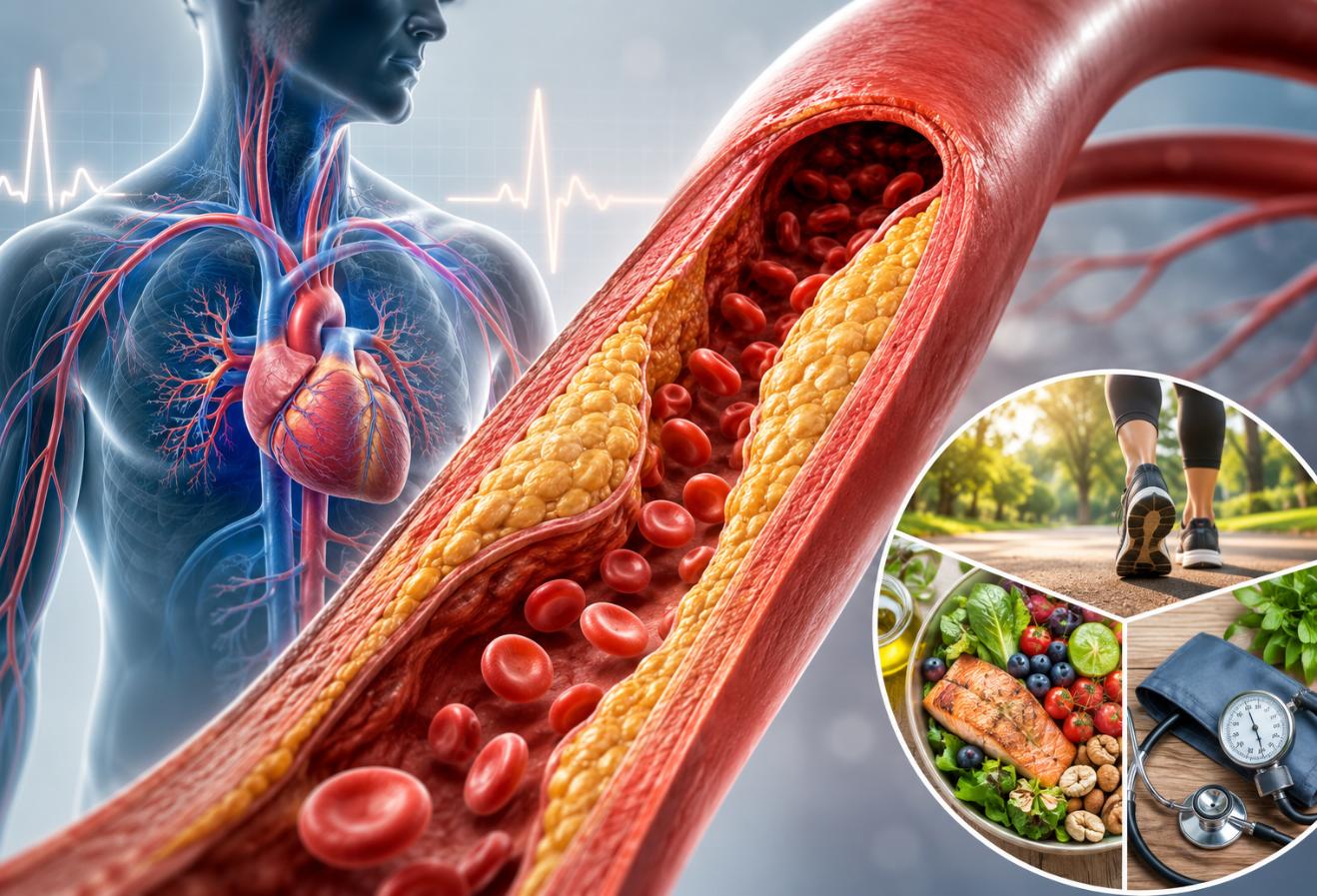
Heart disease remains one of the leading health concerns for families across North Texas, and many people do not realize they have a problem until symptoms become serious. For residents in Arlington, understanding atherosclerosis and recognizing its warning signs can help you take action before a heart attack or stroke occurs. Quick Answer Atherosclerosis is
READ MOREBlog
Blog
Subtle Signs of Heart Disease That Often Go Unnoticed
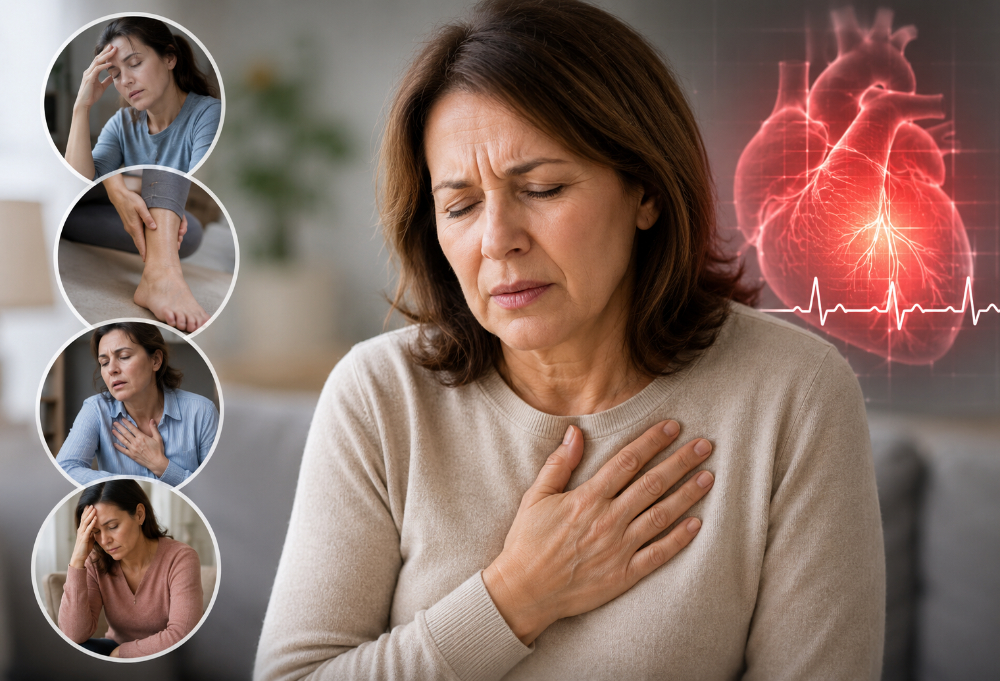
Heart disease remains the leading cause of death worldwide, yet many people are caught off guard by a diagnosis because the warning signs crept in quietly. Unlike the dramatic chest-clutching moments portrayed in movies, early heart disease symptoms are often so mild and gradual that they blend into the background of everyday life. Fatigue, a
READ MOREEarly Warning Signs of Atherosclerosis You Shouldn’t Ignore
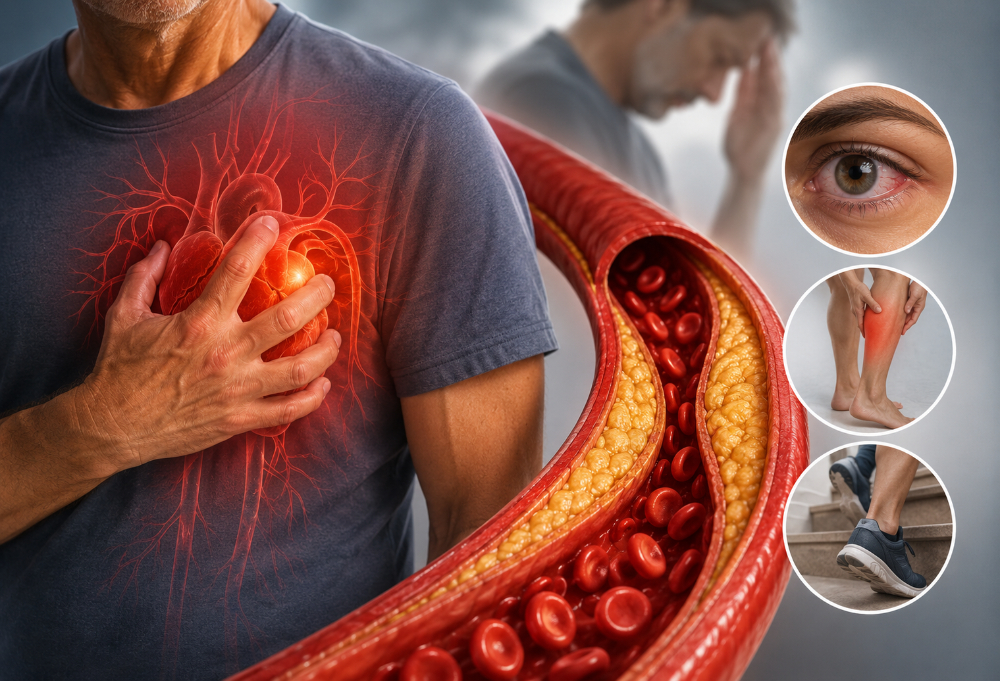
Atherosclerosis is one of the most common and dangerous cardiovascular conditions in the world, yet millions of people live with it for years without realizing anything is wrong. Often called the “silent killer,” this disease involves the gradual buildup of plaque inside the artery walls, narrowing the passageways that carry oxygen-rich blood to your heart,
READ MOREWhat Is Atherosclerosis? Understanding the Silent Threat to Heart Health
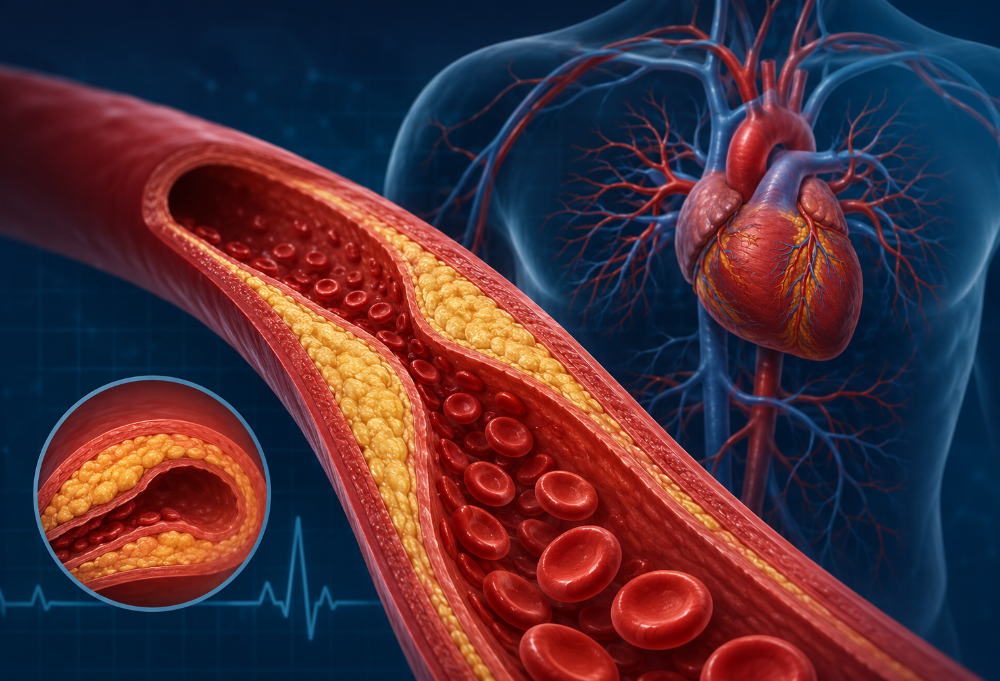
Every year, millions of people are diagnosed with cardiovascular disease, yet many had no idea anything was wrong until a serious health event occurred. Atherosclerosis is one of the leading drivers of this trend, quietly developing over decades before symptoms ever appear. Whether you live in Arlington, TX, or anywhere else in the country, understanding
READ MOREThe Dangers Of Poor Sleeping Habits on Your Heart!
Most people think of heart health in terms of diet and exercise. We count steps, watch cholesterol, and try to avoid excess sugar. While those habits certainly matter, there is another factor that often gets overlooked: sleep. In reality, sleep is not just downtime for your body. It is one of the primary pillars of
READ MORE